Custom 6061 6063 Aluminium Extrusion Profiles | Hollow Slotted Section Enquiries
-
CNC Machining or NotCnc MachiningTypeBroaching, DRILLING, Etching / Chemical Machining, Laser Machining, Milling, Other Machining Services, Turning, Wire EDM, Rapid Prototyping
-
Material CapabilitiesAluminum, Brass, Bronze, Copper, Hardened Metals, Precious Metals, Stainless Steel, Steel AlloysMicro Machining or NotMicro Machining
-
Model NumberS 2211Product material6063 Aluminum
-
ColorBlack MetalSizeCustomized
-
Surface treatmentAnodized/oxide etc /powder coatedToolingMade by ourself
-
PackingCartonProcessSand casting +CNC Machining
-
CertificationISO9001-2008MachiningAvailable
-
ApplicationIndustrial Equipment
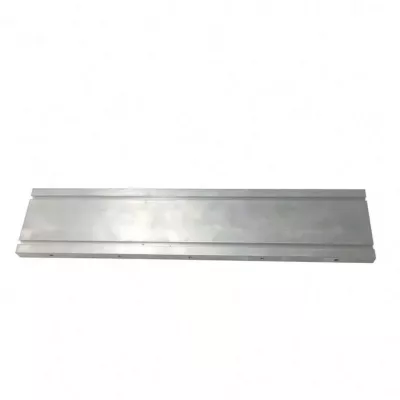
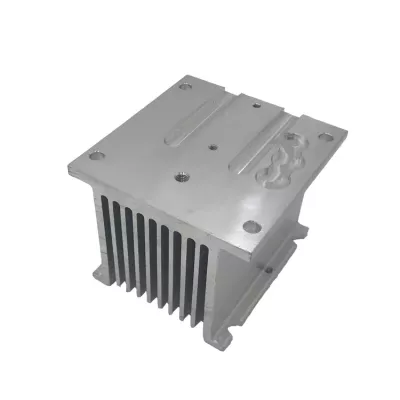
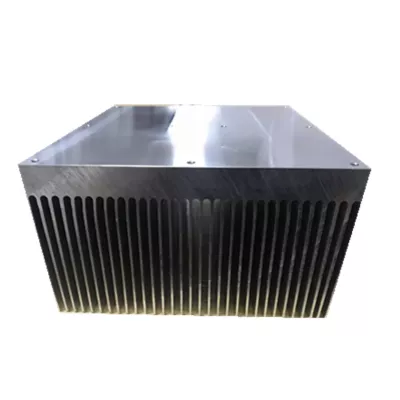
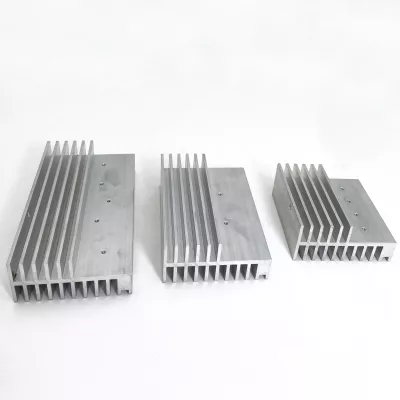
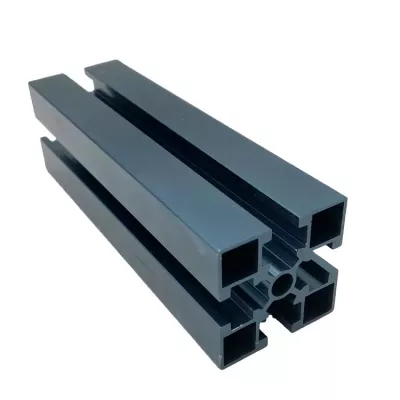
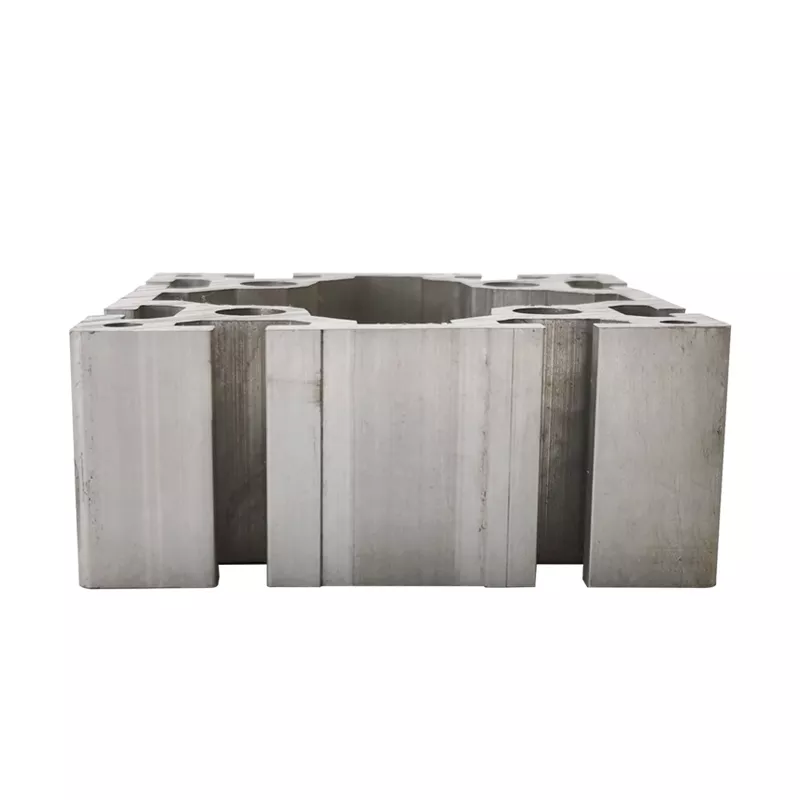
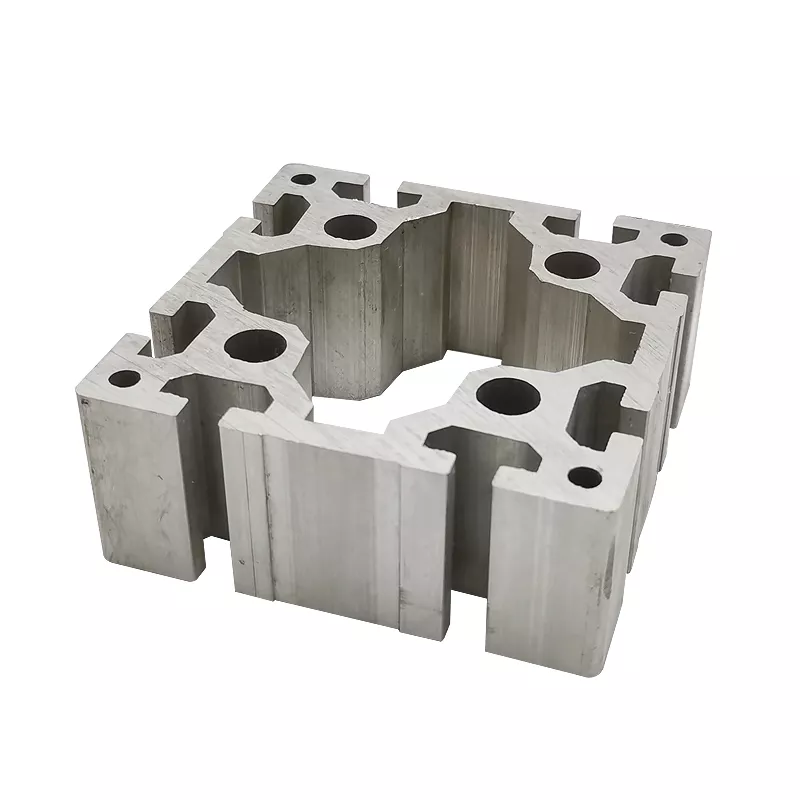
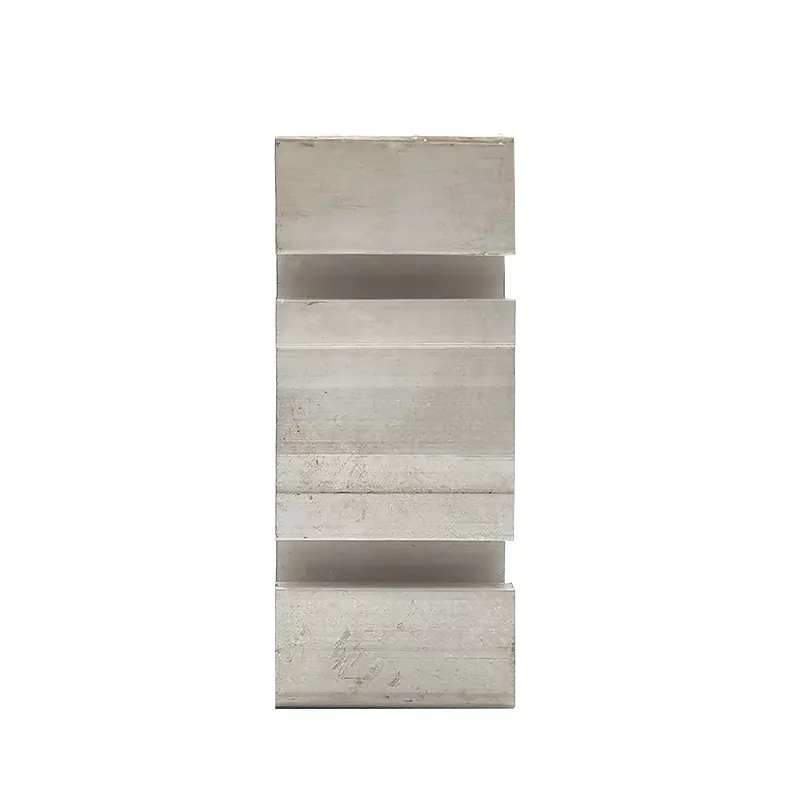
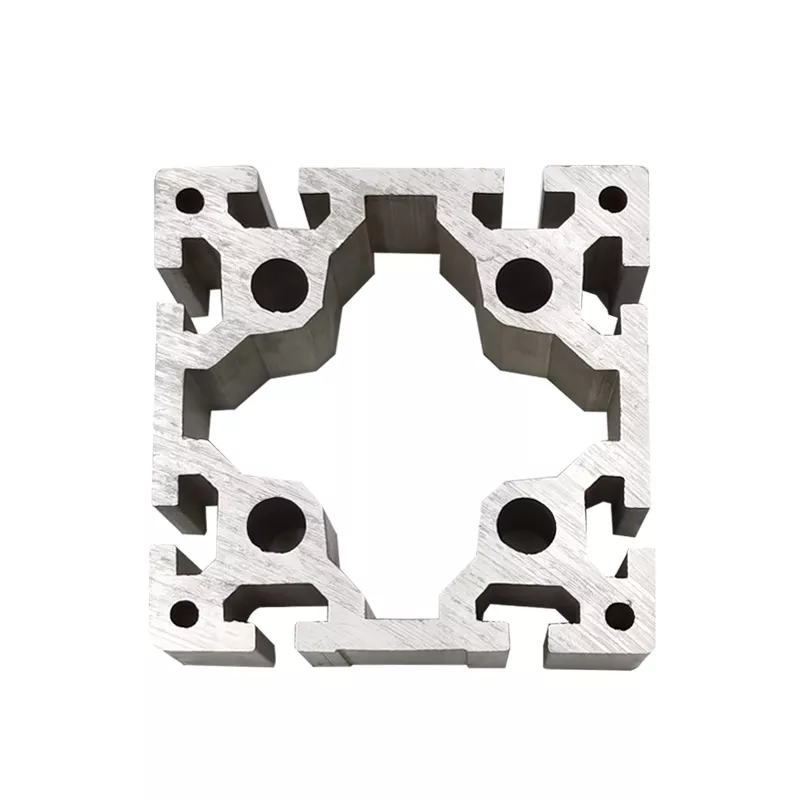
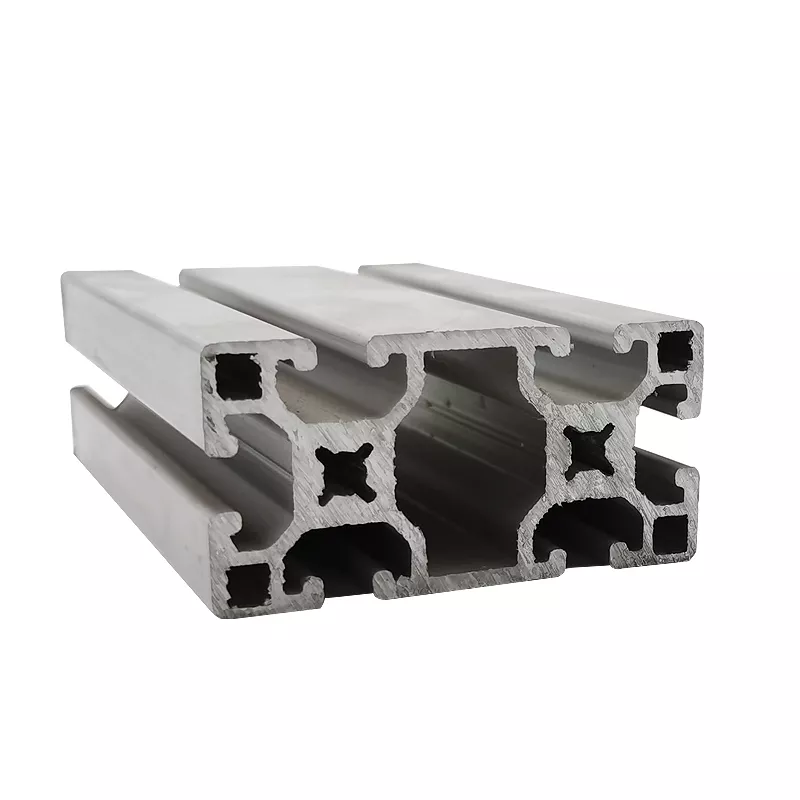
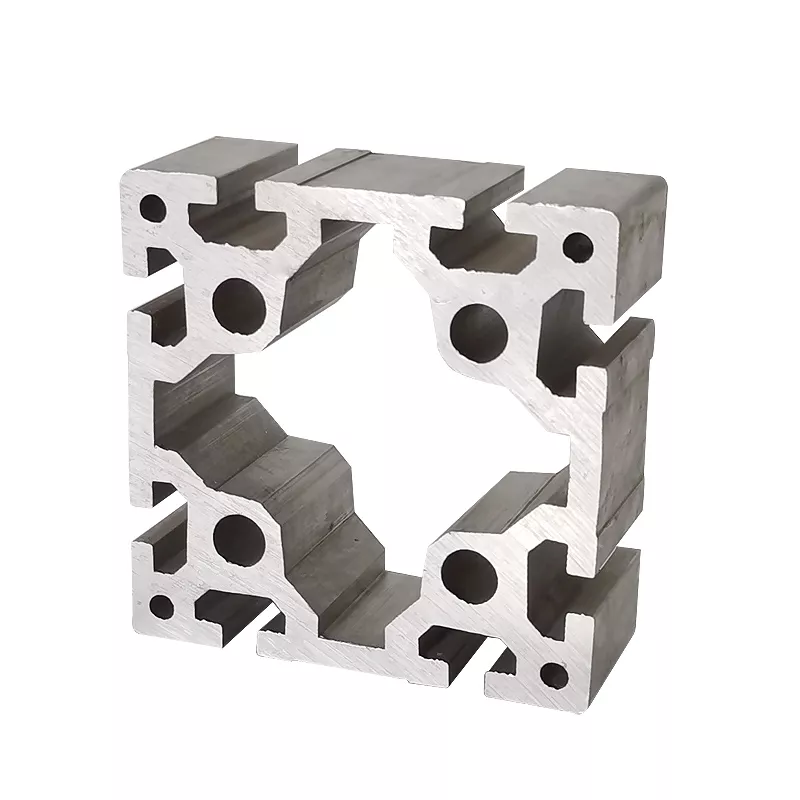
Select the required aluminum profile from its section drawing and mating requirements. The example is a hollow square section with an irregular central opening, longitudinal slots and circular corner openings. The actual alloy, dimensions and finishing scope must be specified for the component being ordered.
Start with the slot and cavity section
Provide the outer dimensions, wall features, internal opening and slot geometry, with the length of each required item. Locate any circular openings or machined features from the drawing references. If a fastener, connector or other item engages a slot, provide its mating details rather than assuming universal compatibility.
State which features are part of the profile section and which require secondary cutting, drilling or machining. The image does not establish how every surface was produced, and a general machining menu is not an instruction to apply every listed operation to the part.
Choose the actual metal and supplied condition
The catalogue names 6061 and 6063 as material directions for custom enquiries. Choose the alloy and temper required by the drawing; the listed options do not independently identify the composition of the photographed sample. Identify the material records and finish requirements relevant to the order.
Agree the extrusion and secondary-work route for that design. The historical sand-casting field does not establish a compulsory process sequence. Mark dimensions that must be accepted after finishing and identify any masking or fit protection needed at the mating interfaces.
Define the hardware and final acceptance
- Specify the selected alloy, temper and section revision.
- Provide cut lengths and individual component quantities.
- Dimension slot, cavity and corner-opening interfaces.
- Identify mating hardware and required machining.
- Set finished inspection and documentation requirements.
If the component has a structural or other application-specific requirement, provide the actual installation and acceptance criteria; the profile appearance does not establish a load rating. Confirm the current supply scope, samples and delivery requirements for the selected drawing. A useful enquiry makes the section, mating parts and final supplied condition clear enough for proposals to describe the same deliverable.