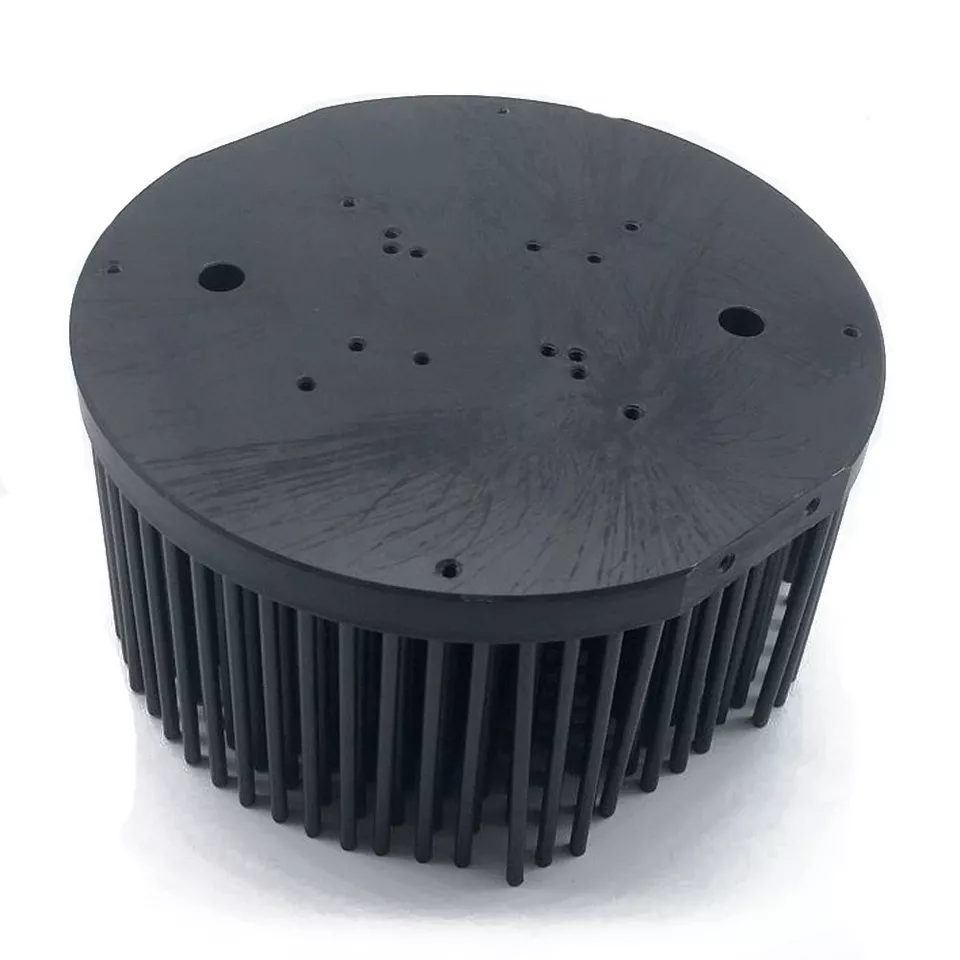
Custom Round Cold Forging Aluminum LED Pin-Fin Heat Sink | Black Anodizing Enquiries
-
Grade6000 SeriesTemperT3-T8
-
ApplicationHeat Sink, Power SupplyShaperound
-
Alloy Or NotIs AlloyModel NumberDmetal-200033
-
Tolerance±2%, ±0.1Processing ServiceBending, Decoiling, Welding, Punching, Cutting, extruding
-
Delivery Time15 daysMaterial6063/ 6061 etc
-
MachiningAvailableSurface treatmentAnodized/oxide etc /powder coated
-
ToolingMade by ourselfTypeHeatsink
-
Heatsink MaterialAluminumMOQ100pcs
-
Packagingcarton
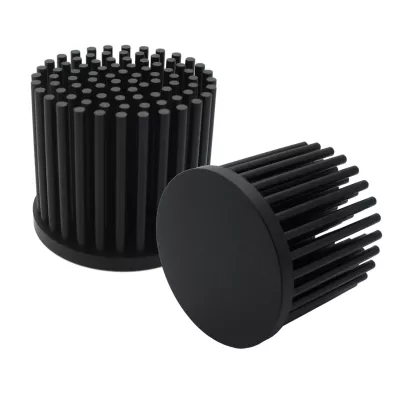
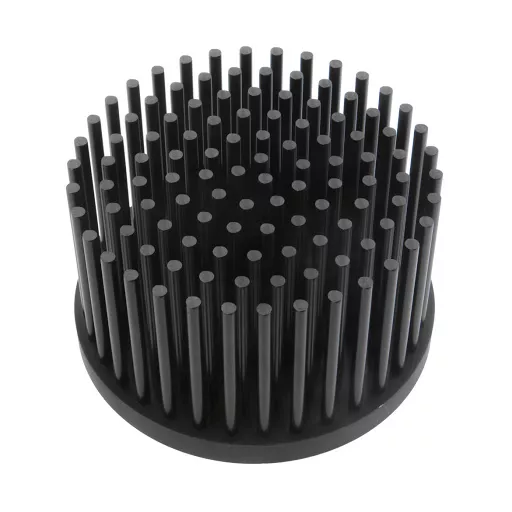
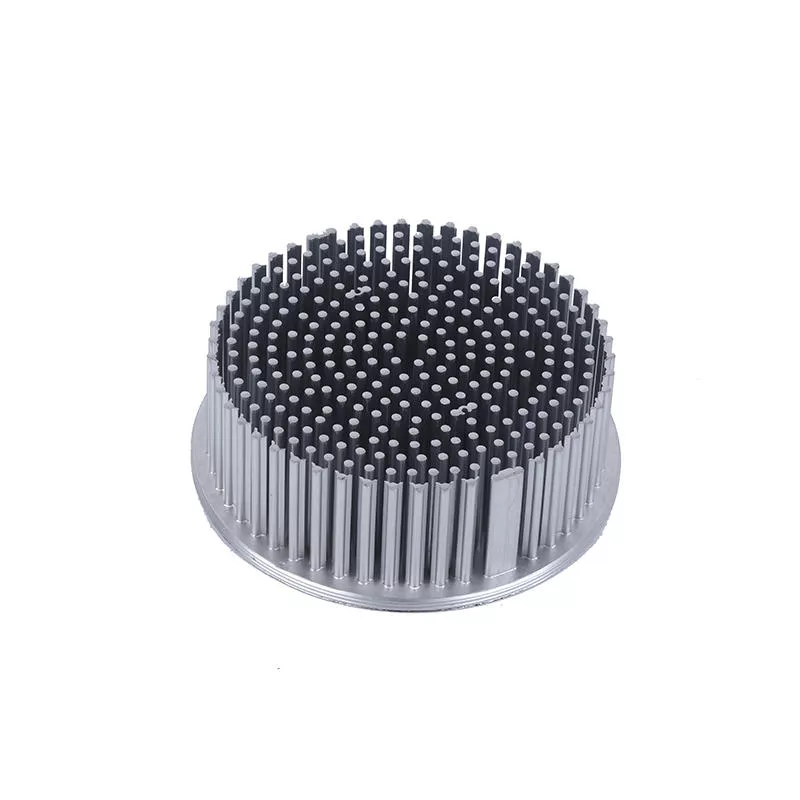
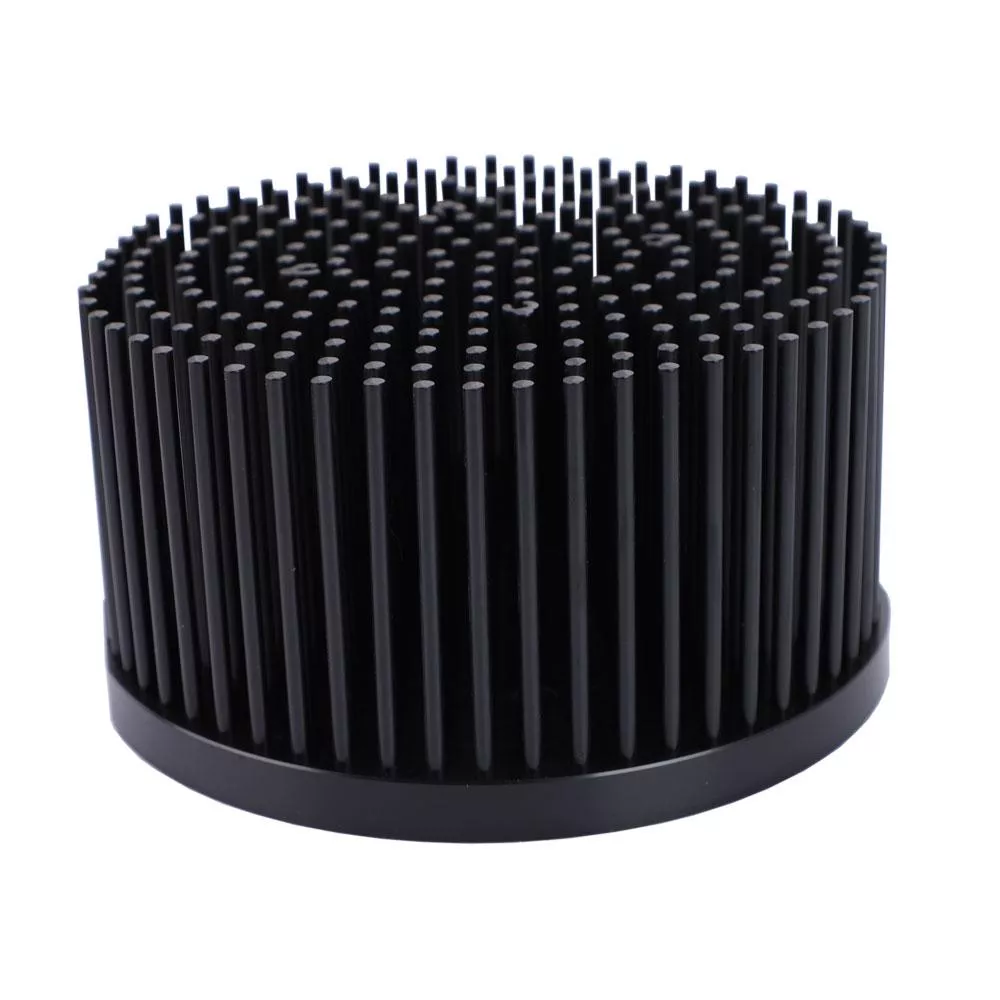
The round example carries many upright cylindrical pins on a dark circular base. It provides a starting form for a custom aluminum LED heat-sink enquiry, including a requested cold-forging direction and black anodizing. The actual route, metal condition and installed thermal requirements should be confirmed for the selected design.
Define the base before the pin field
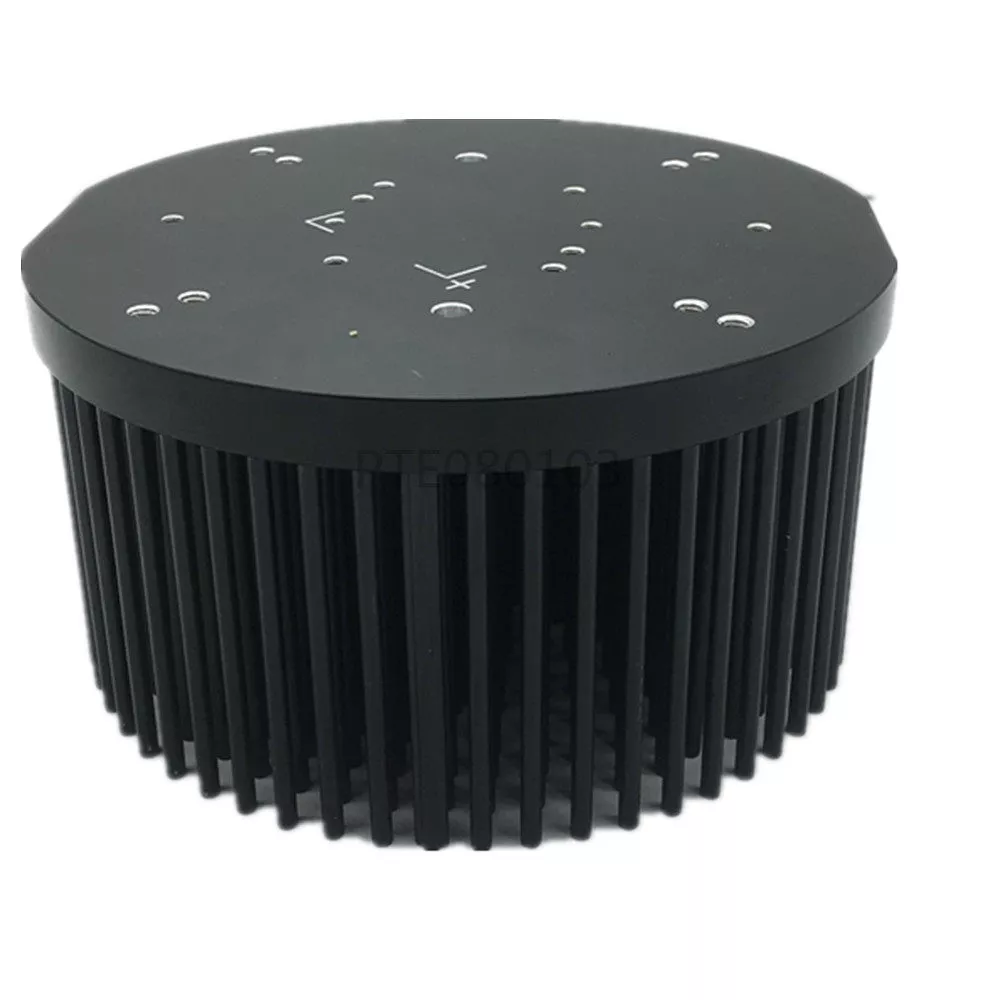
Supply the base diameter, thickness and contact-face requirements, together with the mounting arrangement and available installation height. Show the relationship between the heat source and the base. A circular outline alone does not establish the mating pattern or compatibility with a particular LED assembly.
Dimension the pins and their spacing where those features control clearance or the thermal design. Include any central openings, fixing features or secondary machining required by the actual drawing. Do not infer a fixed pin count, length or cooling capacity from the example photograph.
Confirm material and the proposed route
- Select the actual aluminum grade and temper for the order.
- Provide the controlled base and pin-field drawing.
- State whether cold forging is required or proposed for review.
- Mark finished contact faces and machining requirements.
- Specify anodizing and component acceptance records.
The catalogue names 6063 and 6061 alternatives and a broad temper range. Choose one condition for the actual part rather than treating all references as a single specification. The ±2% and ±0.1 entries also need affected features, units and measurement criteria before they can define acceptance. The manufacturing route must be agreed for that material and geometry.
Use the installation to assess thermal suitability
Provide heat load, ambient conditions, airflow and the way the component contacts the heat source. These inputs are needed to assess the design; the presence of pins is not a tested LED cooling rating. Identify any masking or finish requirements on the contact face and agree inspection in the supplied condition. Confirm current quantities and delivery arrangements for the order. Historical MOQ and timing references do not establish a fixed current offer.