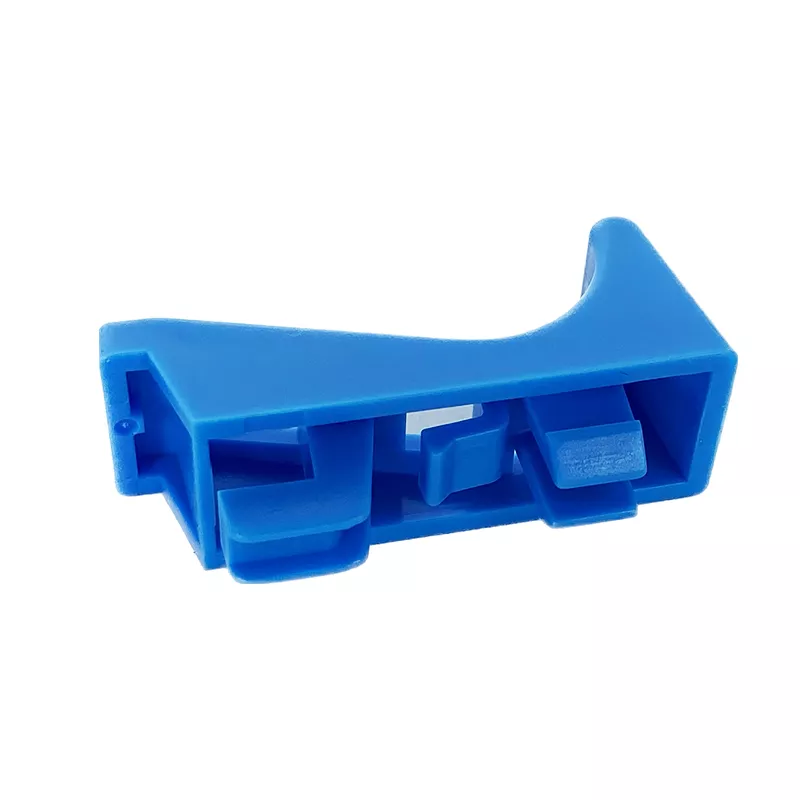
Custom ABS PP PA6 Plastic Injection Molding Parts | Ribbed Angular Components
-
Model Number2001Plastic Modling TypeInjection
-
Processing ServiceMoulding, Cutting, PaintingProduct namePlastic Injection Molding Custom Plastic Parts
-
ColorCustomizedSizeCustomized Size
-
MaterialPA66/PP/ABS /PC, EtcCertificationROHS
-
ShapeCustomized ShapesPackingStandard Carton Box
-
ServicePrompt DeliverySurface finishMatt Surface
-
PackagePP Bag
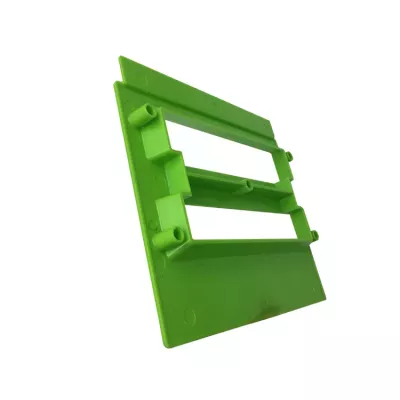
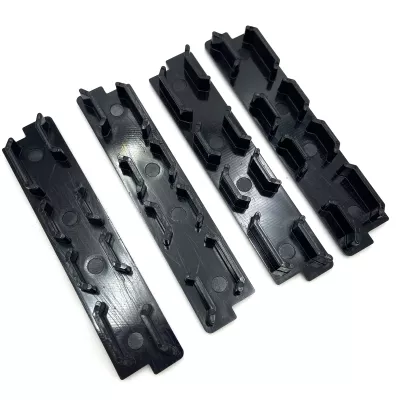
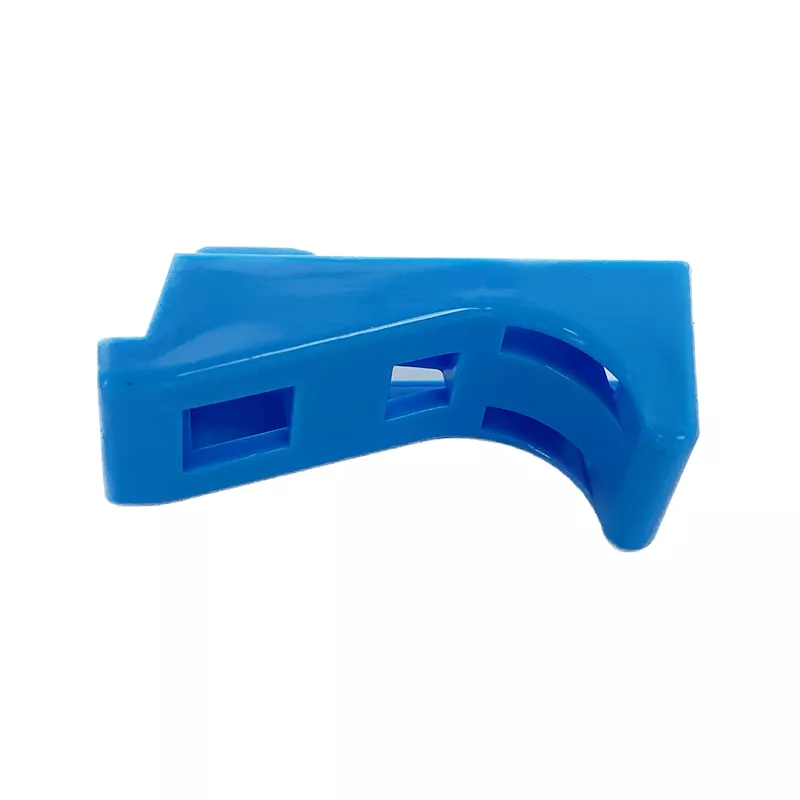
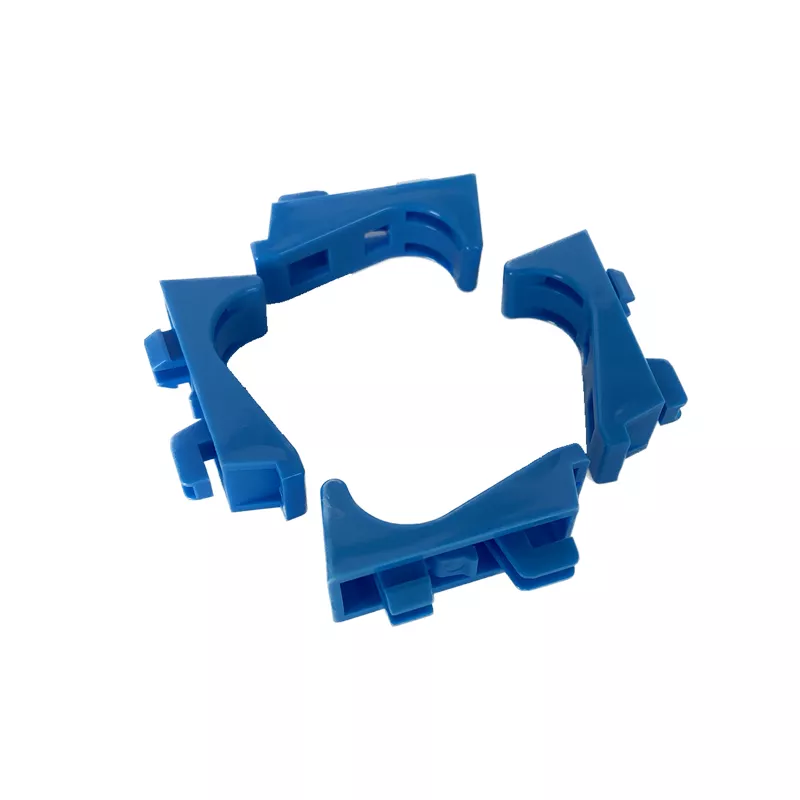
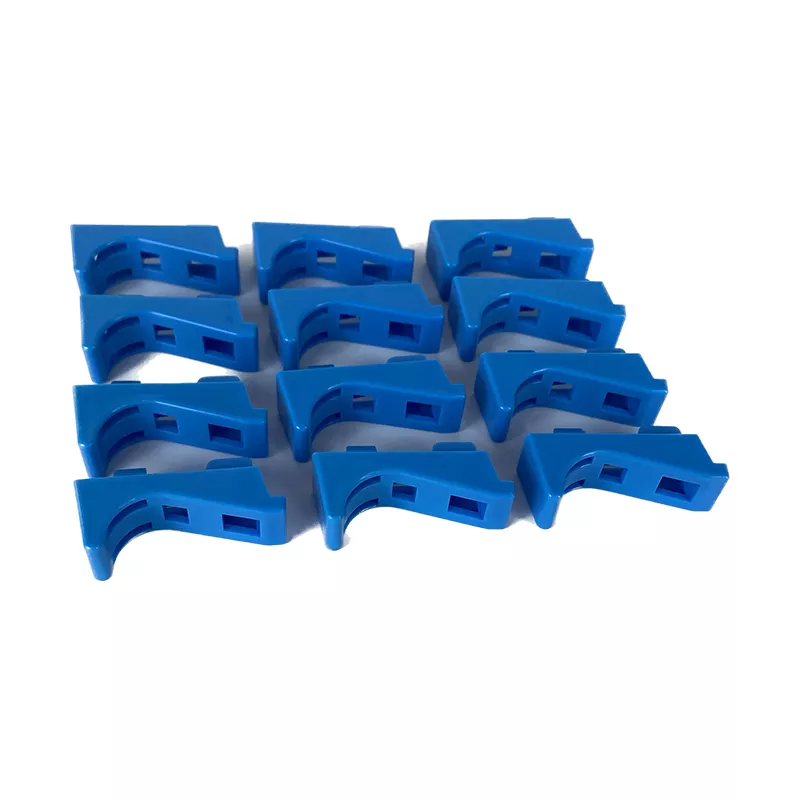
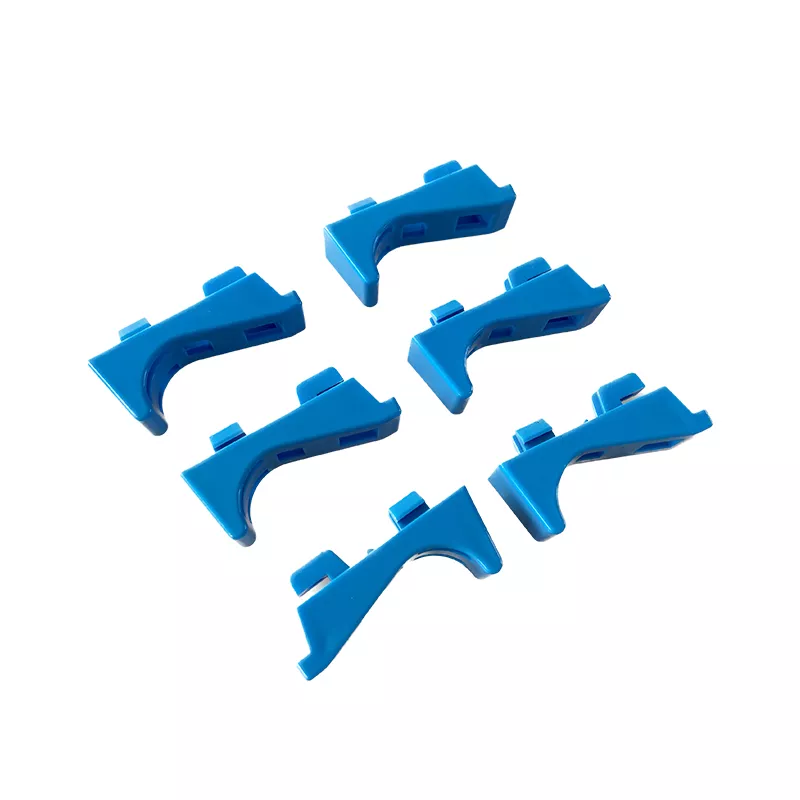
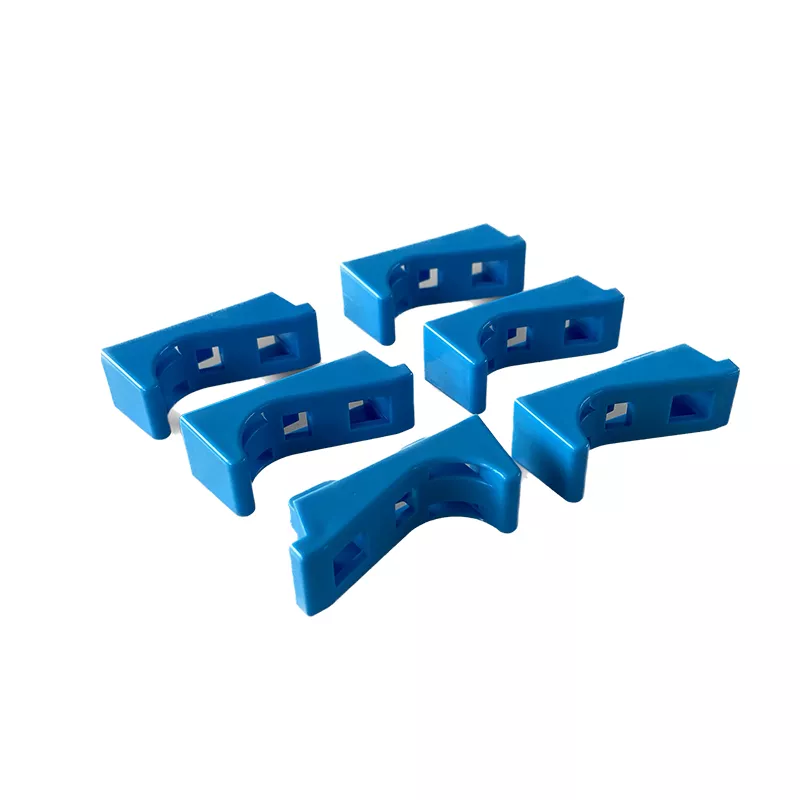
Define the angular component through its long body, internal pockets and taller raised end. The blue example shows open rectangular regions and reinforcing-looking ribs. Its appearance provides geometry context, but does not establish a particular mechanism, actual resin formulation, strength or installed compatibility.
Locate the pockets from the raised end
Provide sections, opening details and the actual mating-component geometry from assembly datums. Identify contact faces, retention features and required clearances. Specify any inserts, fasteners or adjoining pieces included in the delivery rather than treating the example as a complete functional mechanism.
Choose ABS, PP or polyamide for the pocketed body
These named materials are separate formulation choices. PA66 and other listed polymers require their own specifications and should not be treated as equivalent to PA6 without review. State the actual grade, required condition and supporting records, with color and matt appearance criteria for the order.
- Reference the ribbed angular body and drawing revision.
- Dimension pockets, raised end and working contacts.
- Select actual ABS, PP or PA6 formulation.
- Define finish and any secondary processing.
- Agree dimensional checks and functional evidence.
Inspect the part for its intended assembly
Mark tolerances with units and final measurement conditions at the working interfaces. Any load, motion, retention or environmental requirement needs actual service conditions and suitable acceptance methods. Visible ribs alone do not verify stiffness or grade-specific performance.
Include quantities, controlled geometry and required material or inspection documentation. Keep the component scope and selected polymer explicit so molding proposals can be compared against one actual design rather than a generic material menu or an assumed application.