Custom Extruded 6063 Aluminum Profile Heat Sink | Low-Profile Finned Component Enquiries
-
Grade6000 SeriesTemperT3-T8
-
ApplicationHeat Sink, Industrial EquipmentShapeT - Profile
-
Alloy Or NotIs AlloyModel NumberDM- Aluminum Extrusion
-
Tolerance+-0.05mmProcessing ServiceCutting, extruding
-
Delivery Time22-30 daysProduct material6063 Aluminum
-
ColorBlack MetalSizeCustomized
-
Surface treatmentAnodized/oxide etc /powder coatedToolingMade by ourself
-
PackingCartonProcessSand casting +CNC Machining
-
CertificationISO9001-2008MachiningAvailable
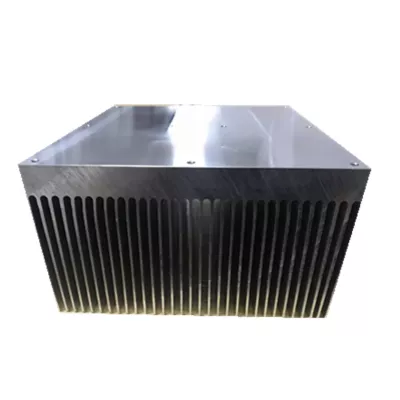
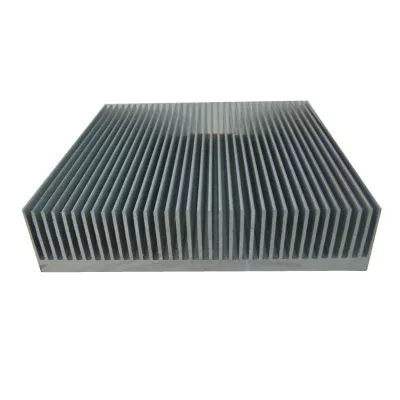
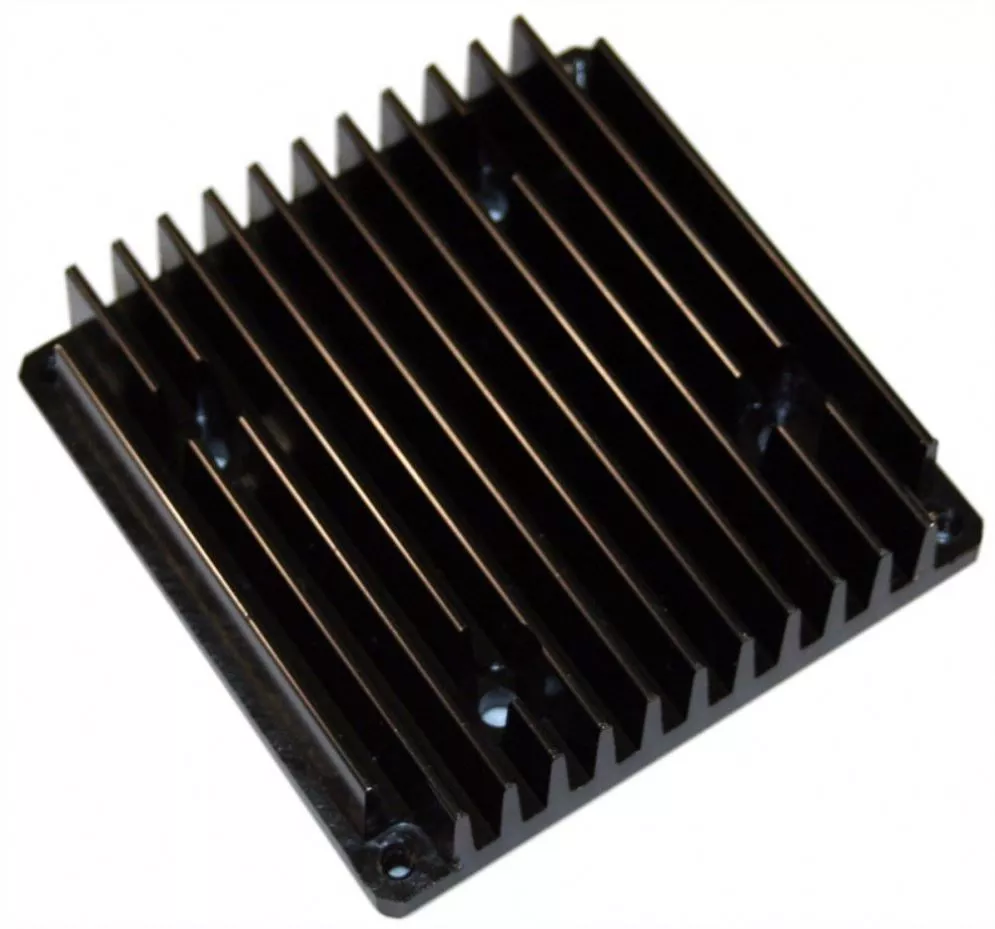
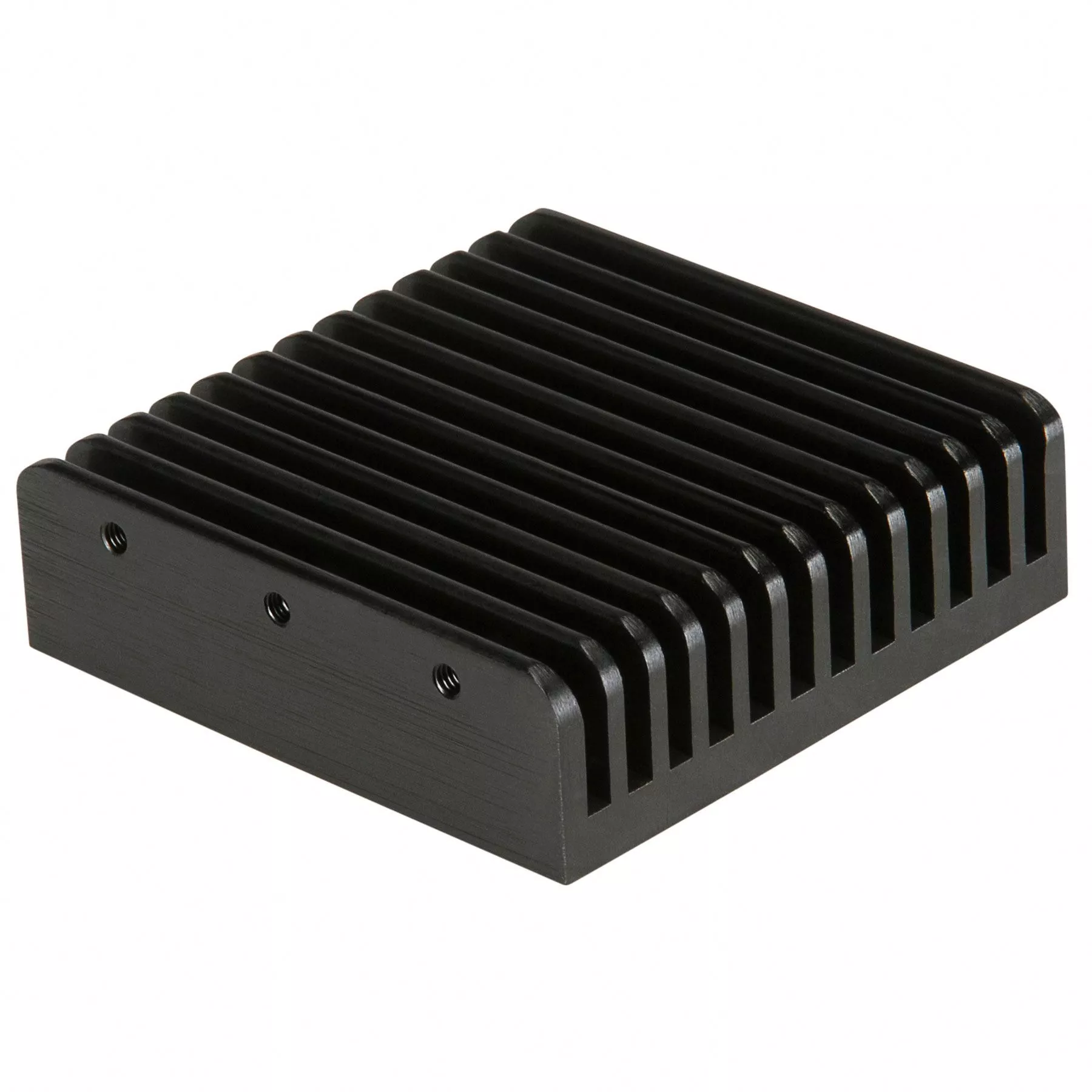
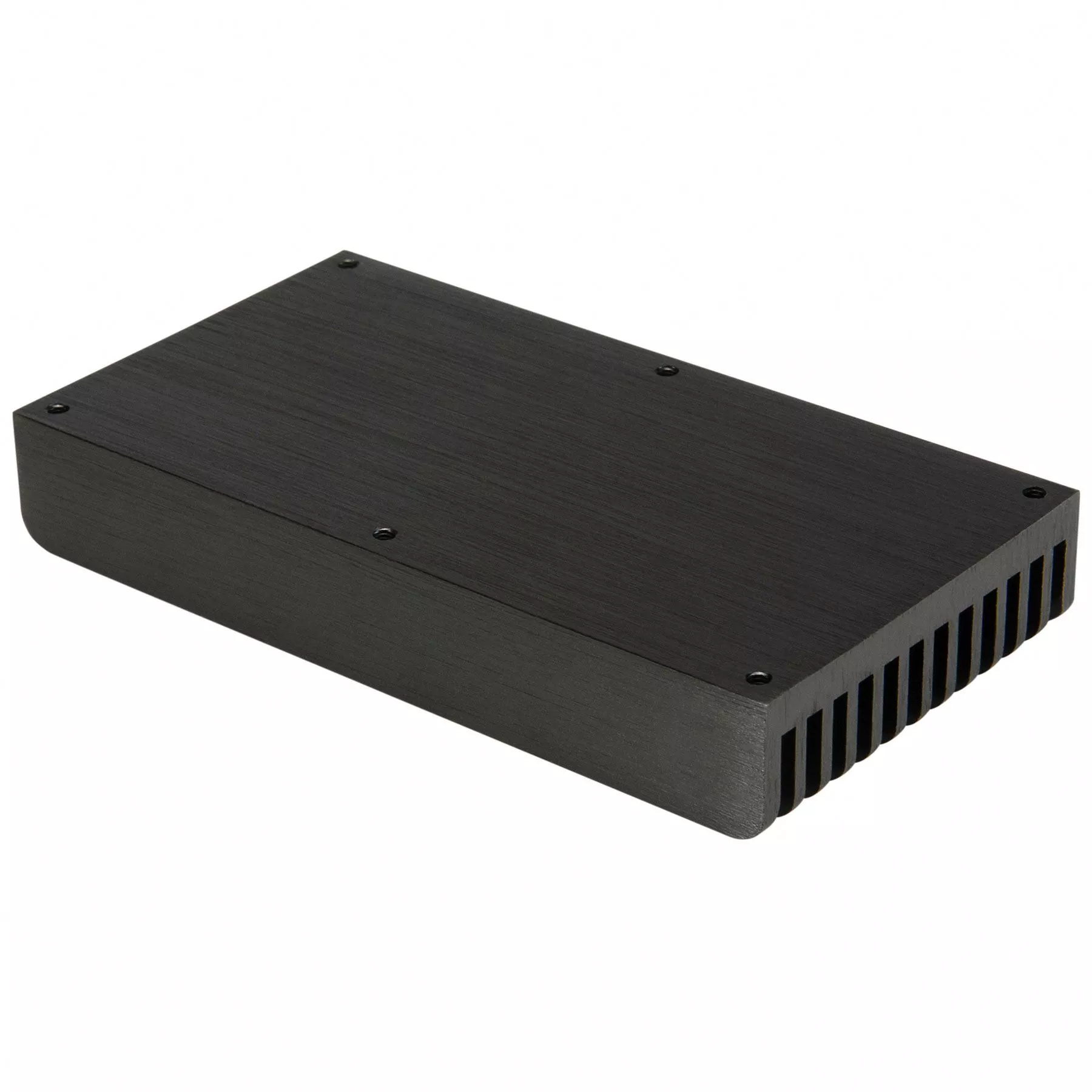
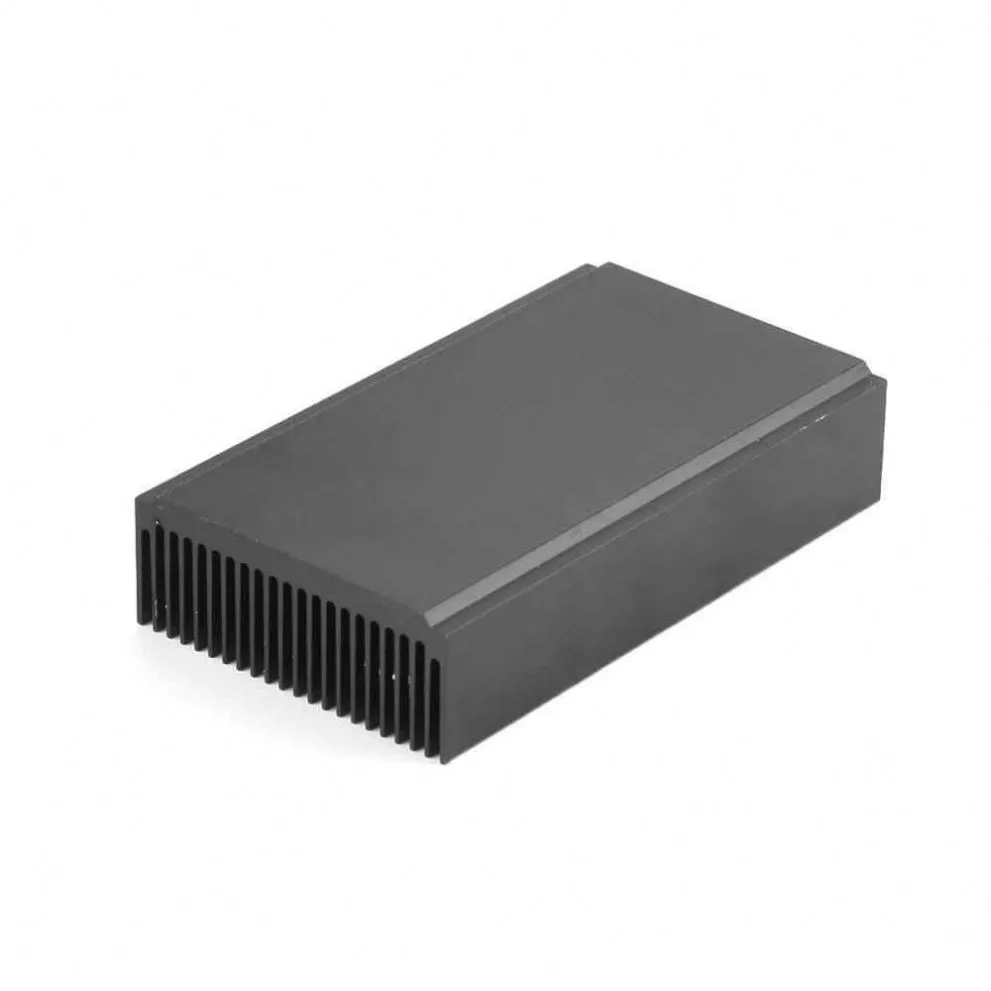
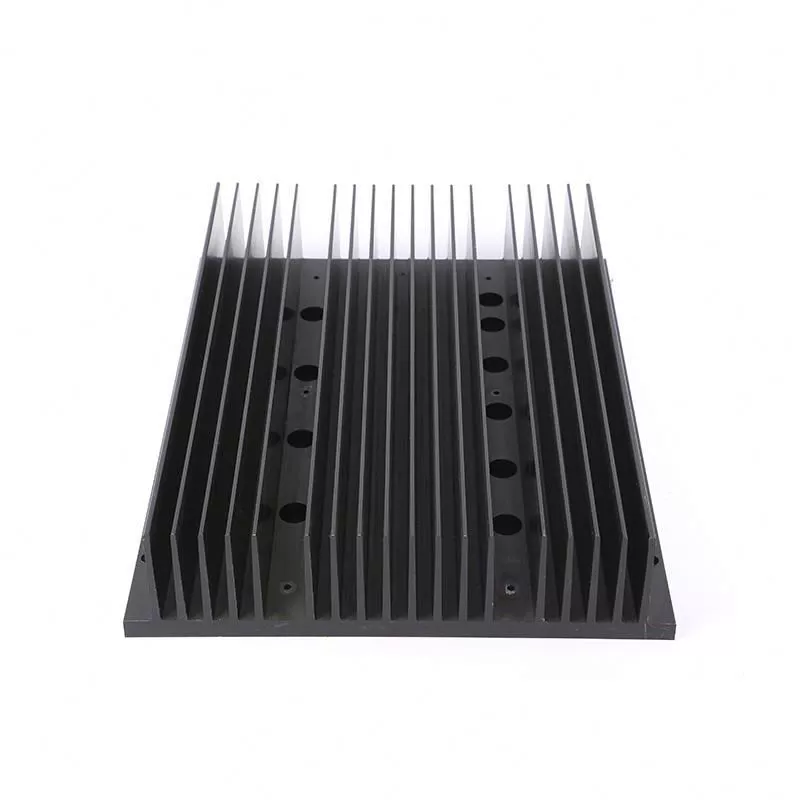
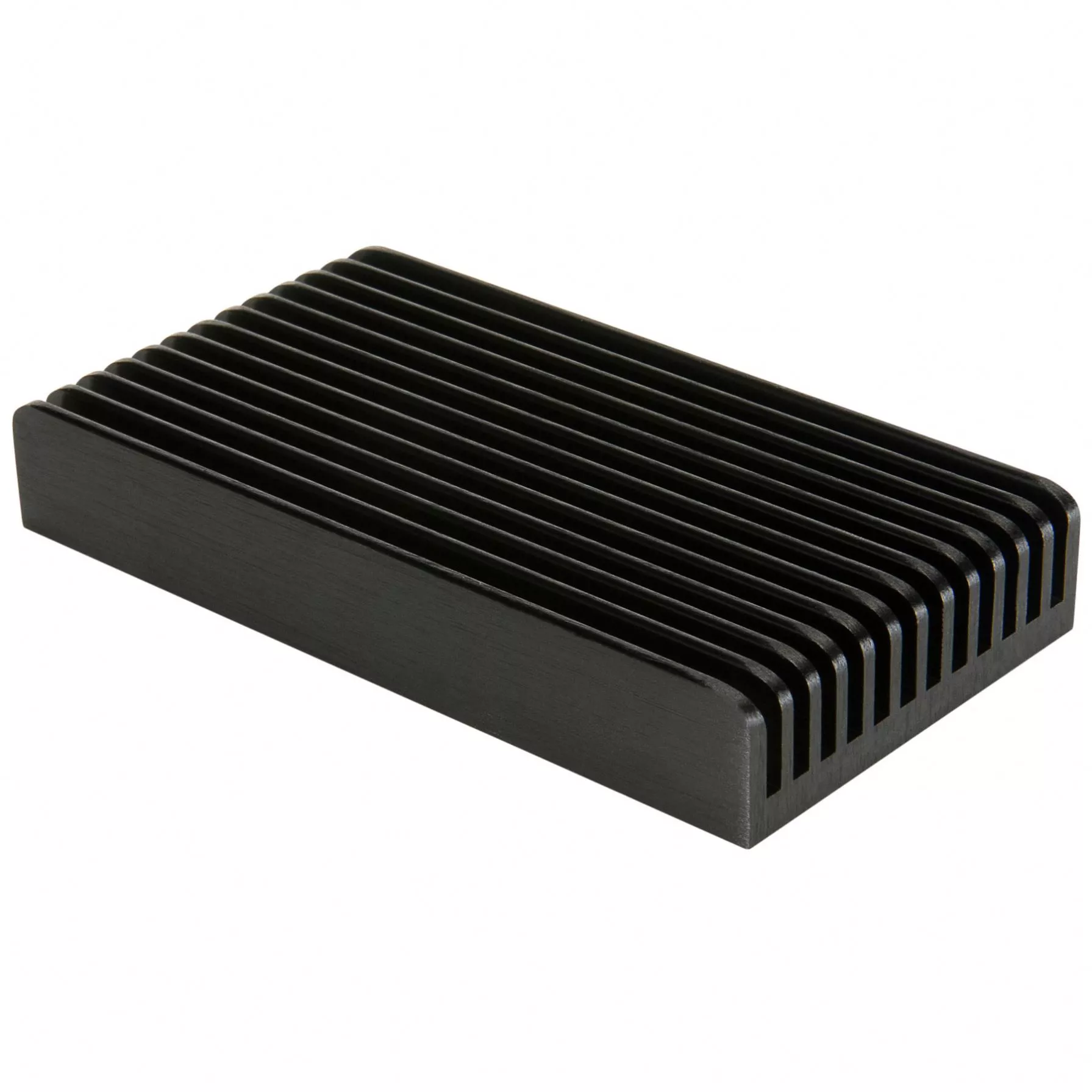
The low rectangular example has many parallel upright fins with rounded transitions at the visible ends. For a custom extruded 6063 aluminum heat-sink enquiry, define the actual section and its mounting requirements rather than selecting a part from appearance alone. The material condition and finished dimensions belong to the individual order.
Use the contact face as a design reference
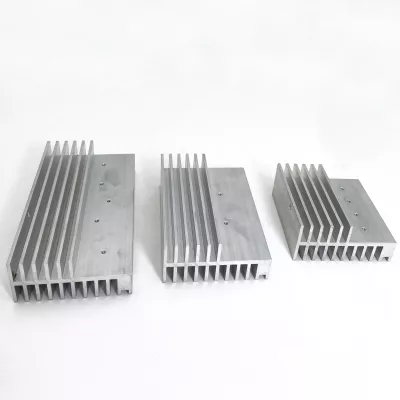
Identify the surface that contacts the heat source and locate the fin field from the assembly references. Provide the base dimensions, fin height and spacing, cut length and available installation envelope. Show fixing features or adjoining components where they control fit or clearance around the profile.
If CNC machining is needed after the profile is made, identify the holes, pockets or contact faces required by the drawing. State their dimensional limits and the surfaces from which they will be measured. The image does not establish a particular machining setup or one fixed geometry for every enquiry.
Control the fin section and finished mounting dimensions
- Select the required 6063 alloy condition.
- Provide the controlled section and length drawing.
- Mark finished mounting and thermal contact interfaces.
- Define the selected surface finish and any masking.
- Specify measurement criteria for important dimensions.
The ±0.05mm catalogue reference does not establish the same tolerance for all fins, the cut length and machined interfaces. Identify where such a limit is required, its units and the supplied condition in which it is to be checked. Agree the actual profile and secondary-machining route instead of treating a historical sand-casting field as compulsory.
Define the operating context before thermal selection
Supply heat load, ambient conditions, airflow and the way the heat source meets the contact face. These requirements allow a design-specific thermal assessment; a black surface or a closely spaced fin field is not a measured cooling result. Choose anodizing or another finish for the actual application and material. Confirm current quantities, required records and delivery arrangements for the selected drawing. The final enquiry should identify one component, its machining and finish scope, and the acceptance criteria for the delivered condition.