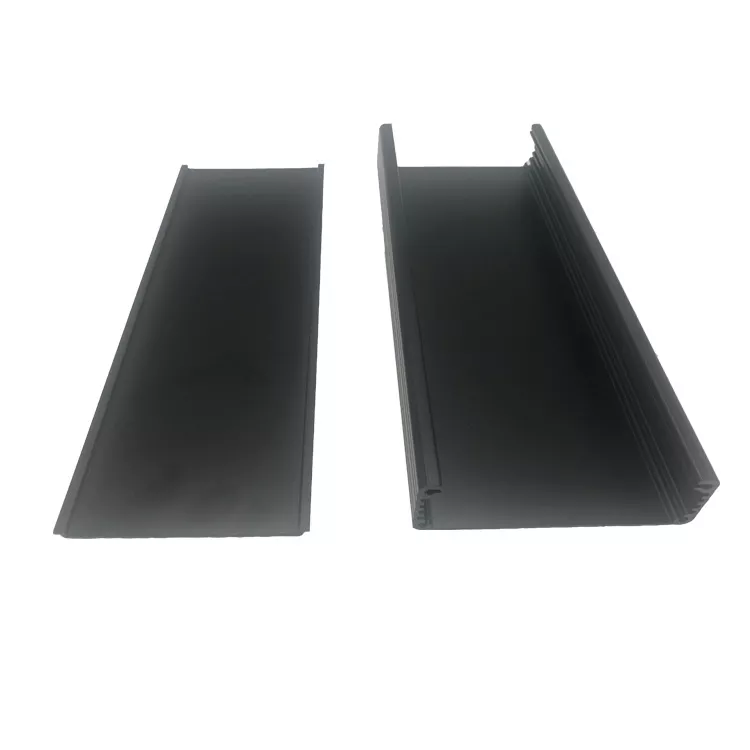
Custom 6063 Aluminum Housing with Black Anodizing | Extrusion Enclosure Parts
-
CNC Machining or NotCnc MachiningTypeBroaching, DRILLING, Etching / Chemical Machining, Laser Machining, Milling, Other Machining Services, Turning, Wire EDM, Rapid Prototyping
-
Material CapabilitiesAluminum, Brass, Bronze, Copper, Hardened Metals, Precious Metals, Stainless Steel, Steel AlloysModel NumberCustomized
-
Product nameAluminum housing with black anodizingProduct material6063 Aluminum
-
ColorBlack MetalSizeCustomized
-
Surface treatmentAnodized/oxide etc /powder coatedToolingMade by ourself
-
PackingCartonProcessSand casting +CNC Machining
-
CertificationISO9001-2008MachiningAvailable
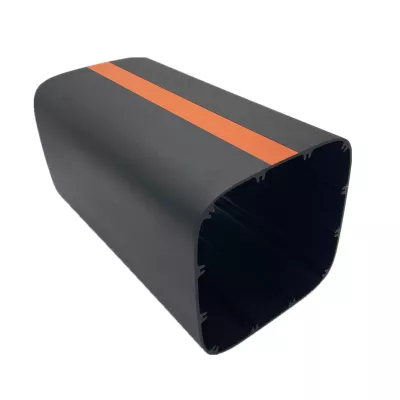
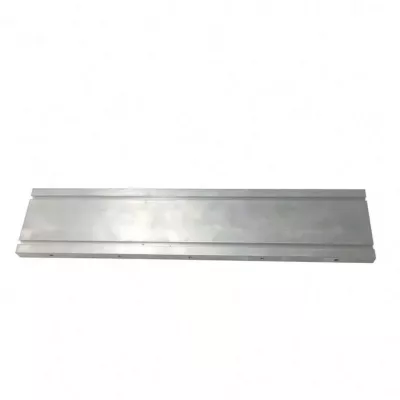
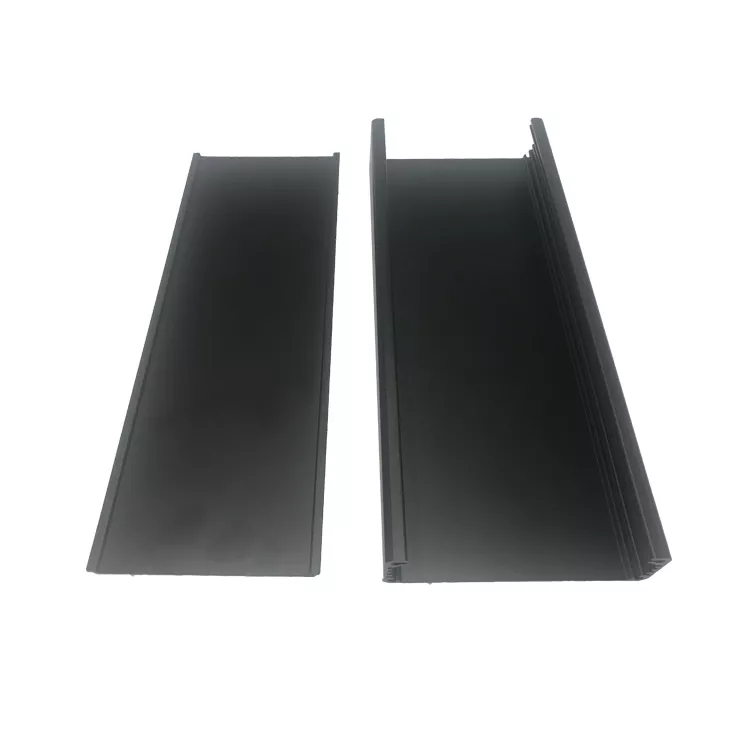
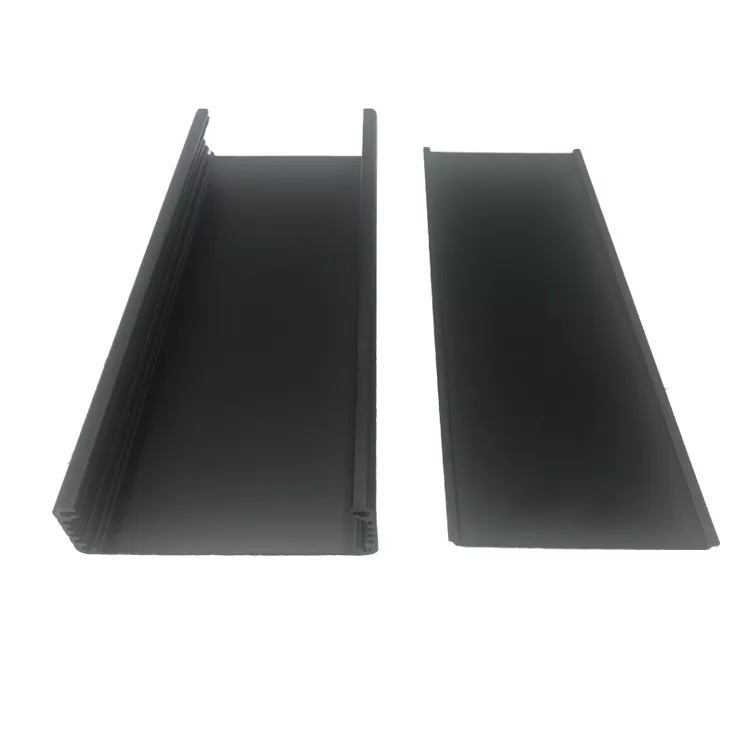
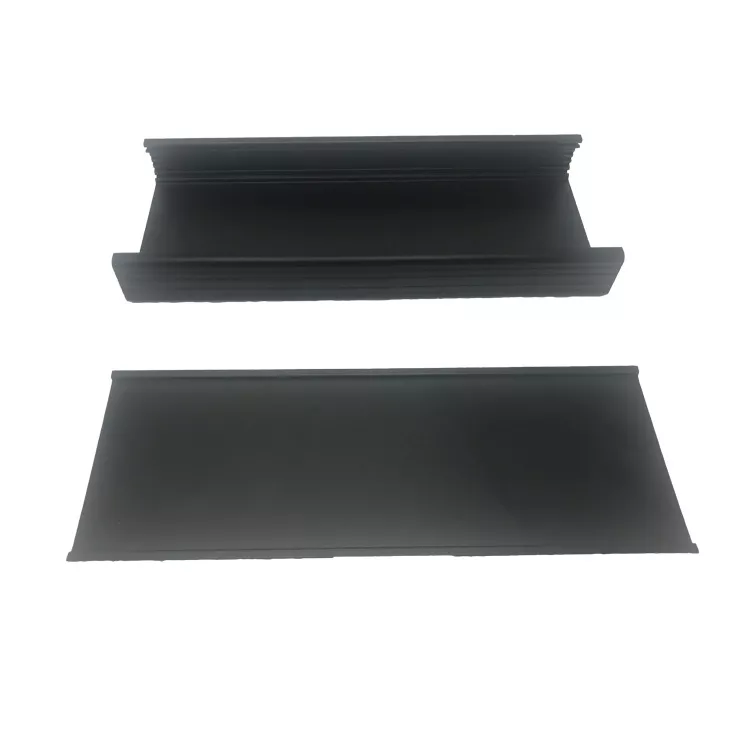
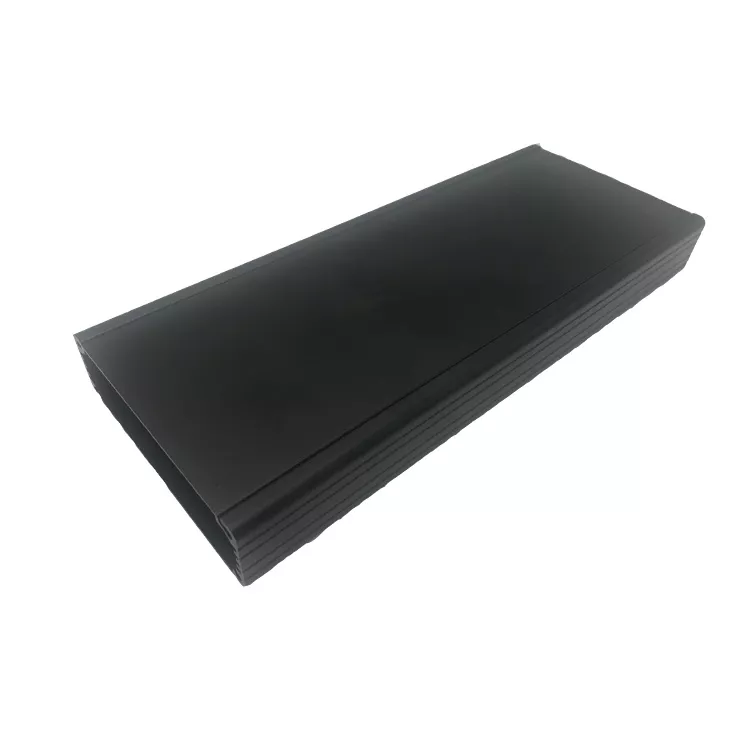
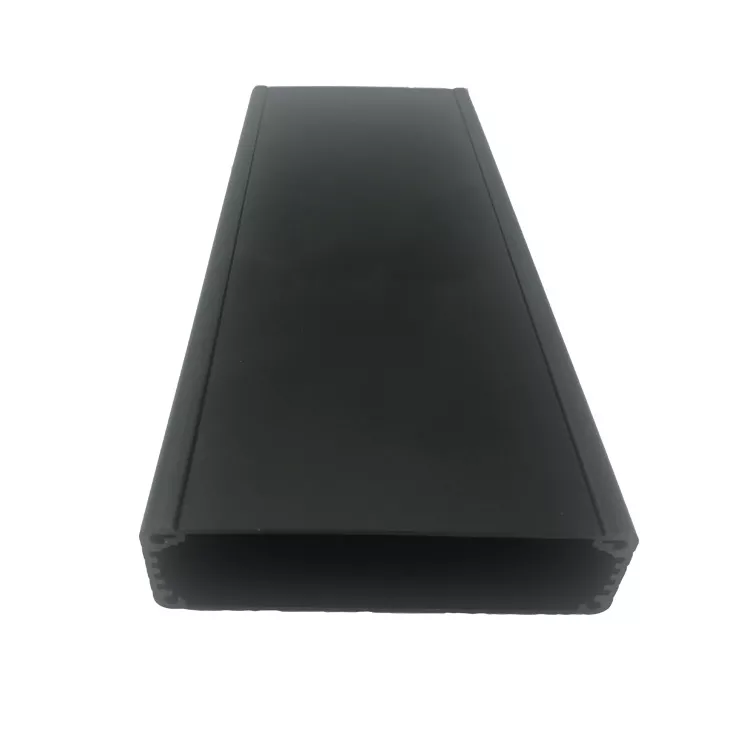
Define a custom 6063 aluminum housing around the parts that must fit together. The example shows a dark open channel with longitudinal rails and a separate cover-like piece. Their appearance is useful for identifying the enquiry, while the actual cross-section, alloy condition and black anodized finish must follow the selected order.
Match the housing section to its cover
Provide a cross-section showing the wall thickness, internal space and the way the cover engages the side edges. Identify which piece is included in the request and whether the order also needs end closures, mounting hardware or other separate components. An open channel and a cover photograph do not define a complete sealed enclosure.
Specify the required length and locate holes, cutouts and finished faces from the drawing references. Where a rail or groove controls assembly, define its mating dimensions and the acceptance condition after finishing. Include the adjoining component or an assembly section where that helps explain clearance or fixing.
Agree the extrusion and finishing scope
- Identify the housing and cover drawings and required quantities.
- Specify the actual 6063 alloy condition for the order.
- Define section dimensions, length and mating rail interfaces.
- Mark secondary machining, openings and fixing features.
- State the black anodized finish and inspection requirements.
The profile-housing enquiry is not required to use the historical general sand-casting field. Agree the actual manufacturing and secondary-machining route for the drawing. The catalogue machining menu is a list of possible operations rather than a requirement to perform every operation on each housing.
Check fit in the final supplied condition
Define any masking, contact areas or surfaces where the finish affects assembly. State how the housing and cover are to be inspected after the selected treatment. If an environmental protection requirement matters, supply the complete closure design and relevant acceptance criteria; no protection rating is established by the example. Confirm current order quantity, documentation and any applicable certification evidence for the selected component rather than relying on historical reference labels.