Custom Anodized Extruded Aluminum LED Heat Sink Radiator | Copper Heat-Pipe Enquiries
-
Grade6000 SeriesTemperT3-T8
-
ApplicationHeat Sink, Industrial EquipmentShapeT - Profile
-
Alloy Or NotIs AlloyModel Number2201
-
Tolerance±1%Processing ServiceBending, Decoiling, Punching, Cutting
-
Delivery Time22-30 daysProduct material6063 Aluminum
-
ColorBlack MetalSizeCustomized
-
Surface treatmentAnodized/oxide etc /powder coatedToolingMade by ourself
-
PackingCartonProcessSand casting +CNC Machining
-
CertificationISO9001-2008MachiningAvailable
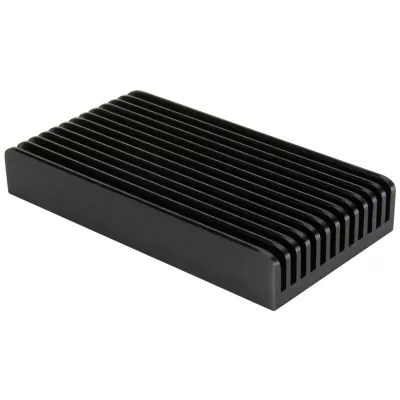
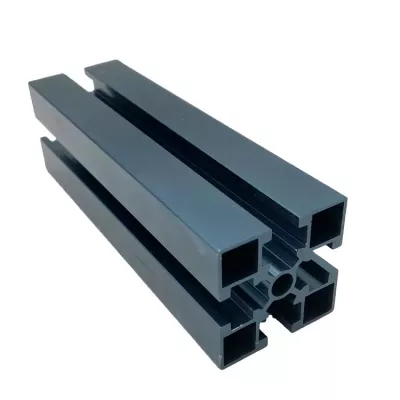
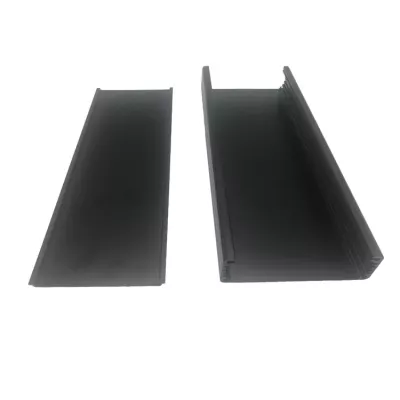
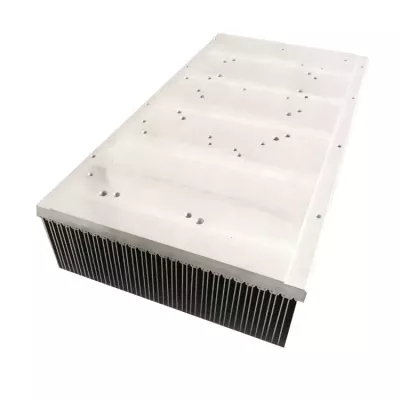
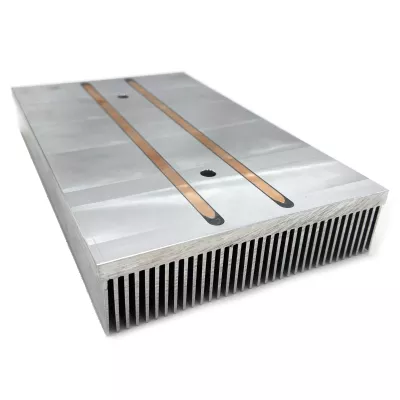
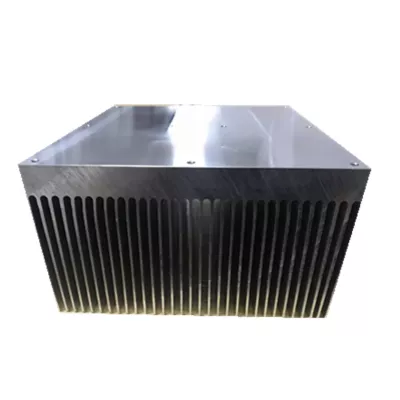
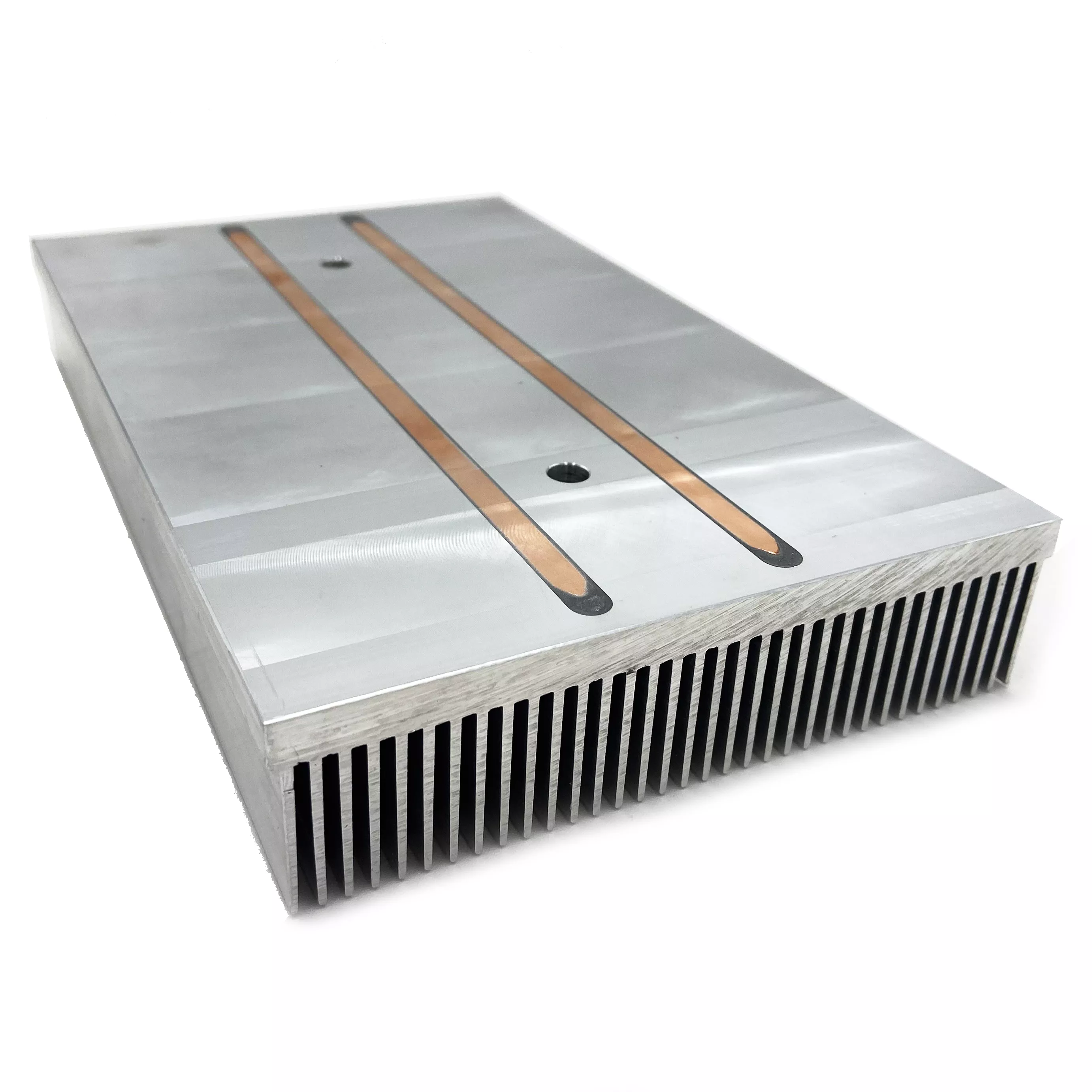
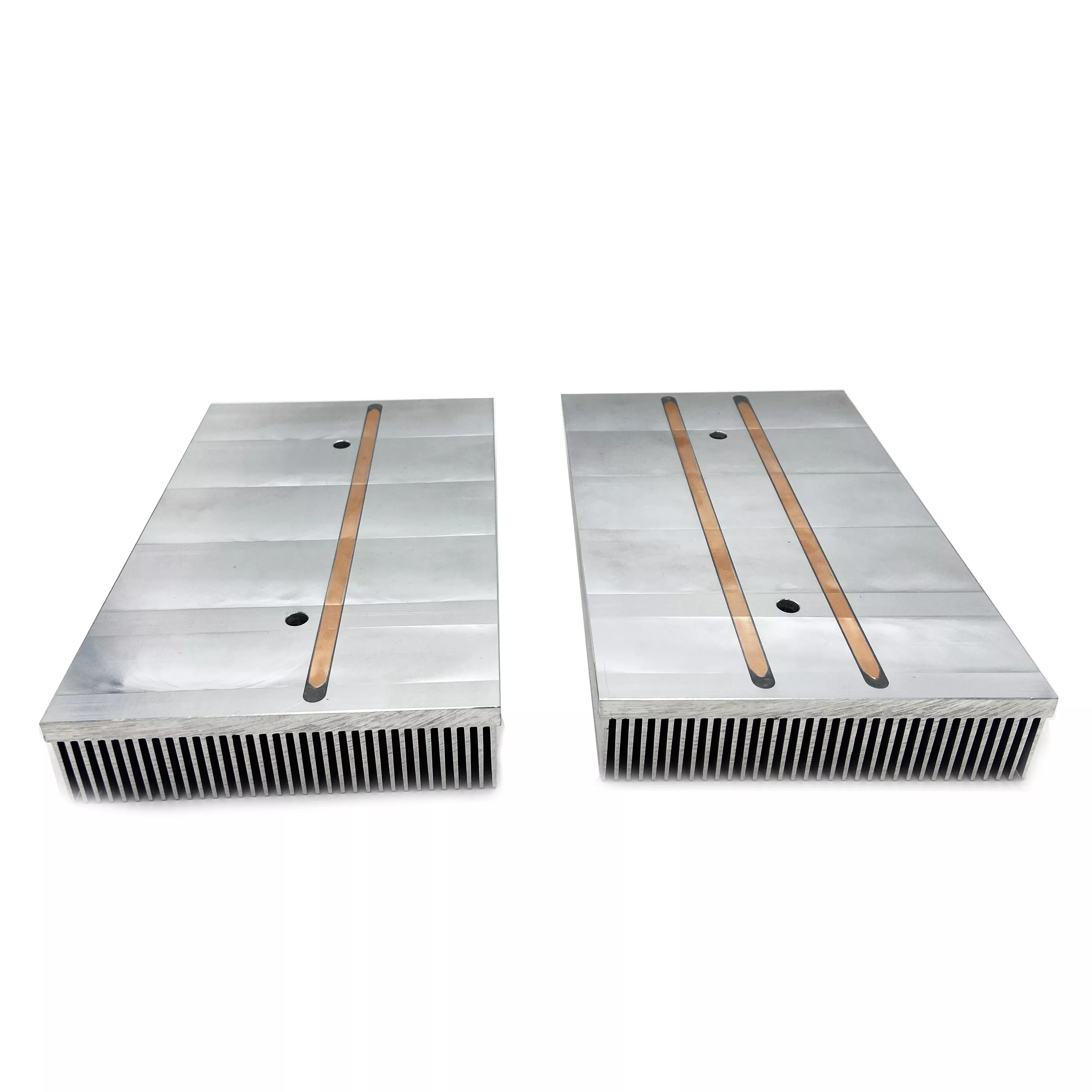
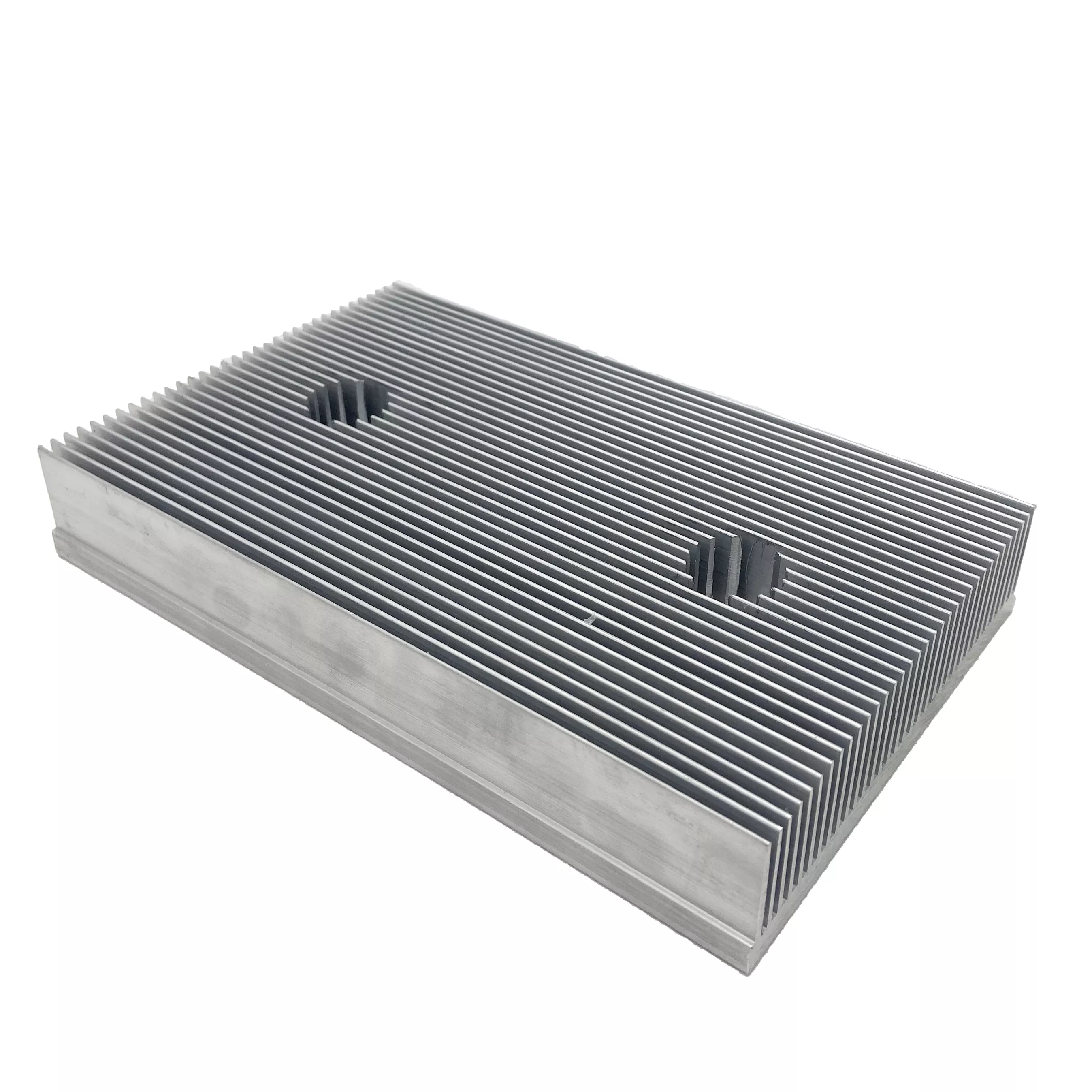
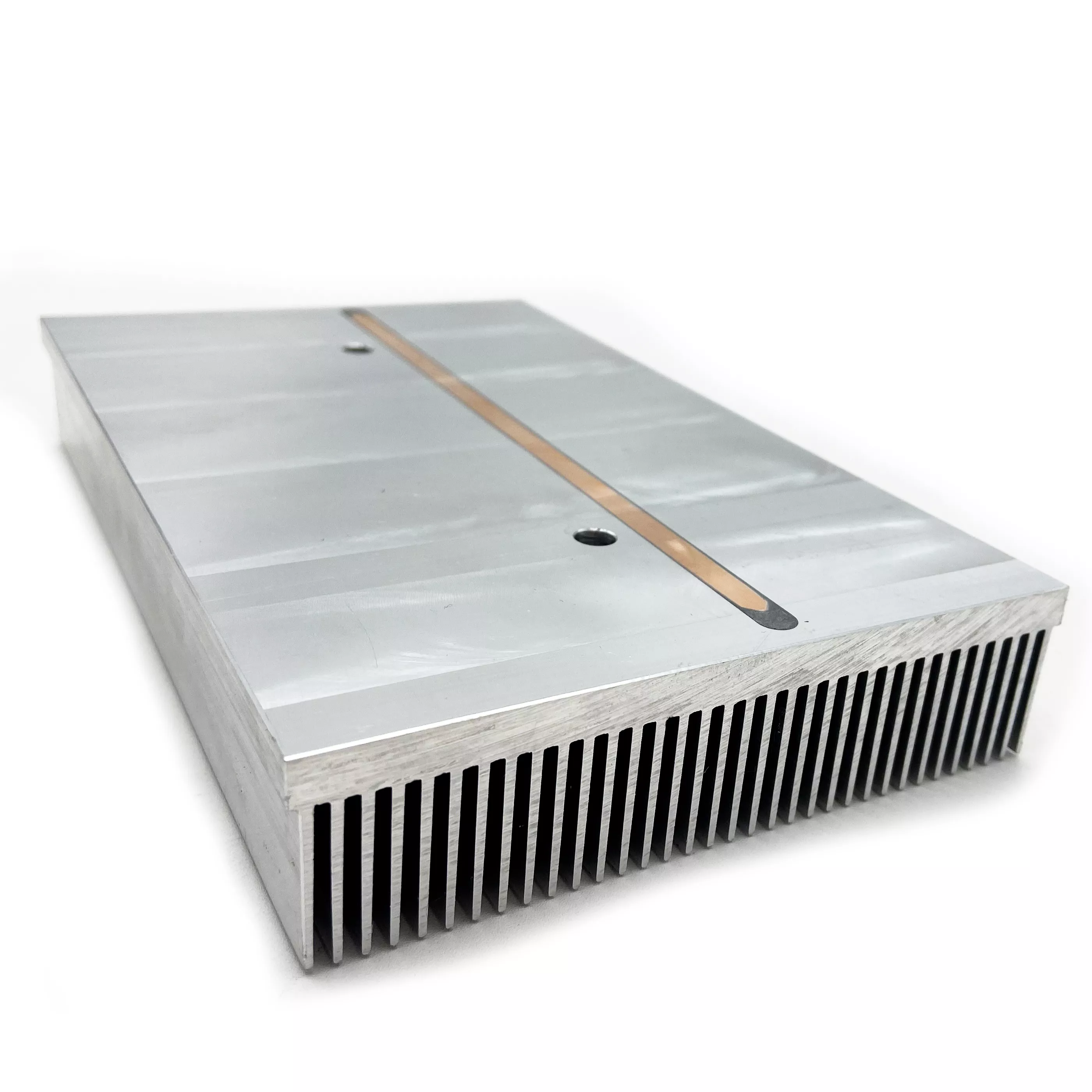
Define the aluminum LED radiator and the heat-pipe configuration required by the project. The example shows a rectangular finned body with a broad upper surface, one long copper-colored inset strip and circular openings. A title naming a copper heat pipe does not by itself confirm what components are included in the delivered assembly.
Confirm the included components
Provide an assembly drawing that identifies the base, fin field and any pipe elements to be supplied. State the actual metals and the intended attachment or contact interfaces. The visible colored strip is not independent evidence of composition, sealed construction or a functioning heat pipe.
Show the mounting pattern, contact face and space available around the fins. Identify which dimensions govern the relationship to the heat source and adjoining equipment. If machining is required, locate those features from the drawing references and specify the condition in which they will be accepted.
Make thermal duty part of the enquiry
- State the heat load and thermal contact arrangement.
- Provide ambient conditions, orientation and airflow.
- Identify the actual heat-pipe inclusion and assembly scope.
- Define mounting features, finish and contact-face requirements.
- Specify inspection and any required thermal evidence.
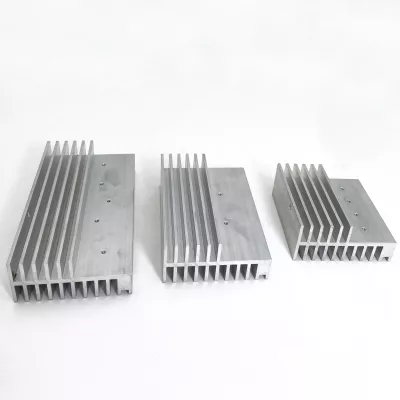
Choose the aluminum alloy condition and anodizing or other finish for the actual assembly. Mark masking and fit-sensitive areas where needed. Apply feature-specific dimensional limits rather than treating a broad ±1% catalogue reference as a complete tolerance plan. Agree the profile and secondary-operation route for the selected design.
Use one controlled configuration for acceptance
Confirm current quantities and the supplied condition against the same assembly drawing. Similar images on another product page do not establish identical engineering specifications or a measured performance difference between the pages. If a functional trial is required, define the test conditions and acceptance for the actual configuration. A clear enquiry identifies the included components, material and contact interfaces, so that the quotation and delivery can be checked without assuming that a photograph proves a complete working thermal assembly.