Custom Transparent LED Bulb Cover and Mold Enquiries | Plastic Injection and Vacuum Molding
-
Model NumberS2404Plastic Modling TypeInjection
-
Processing ServiceMoulding, Cutting, PaintingCertificationISO9001 CE
-
MaterialPA66/PP/ABS /PC, EtcFeatureHigh Precision Injection Parts
-
Product namePlastic Injection PartsDrawing Format2D/(PDF/CAD)3D(IGES/STEP)
-
Surface treatmentPolish. Etched. Texture.electroplating.paintingColorCustomer's Request
-
ProcessInjection Mould Plastic PartApplicationIndustrial Plastic Parts
-
KeywordPlastic injection
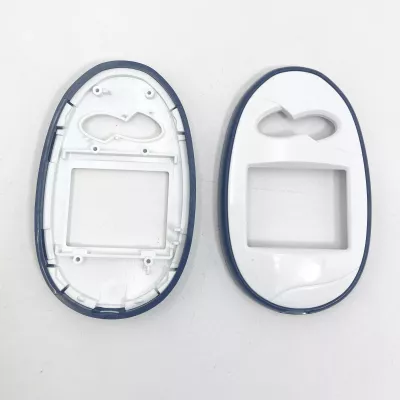
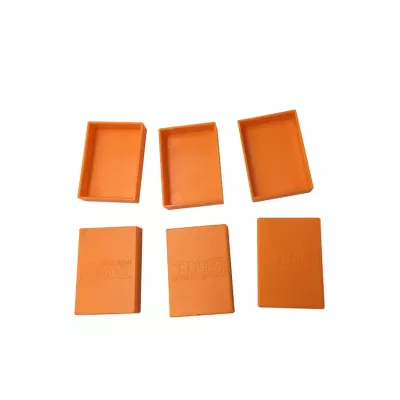
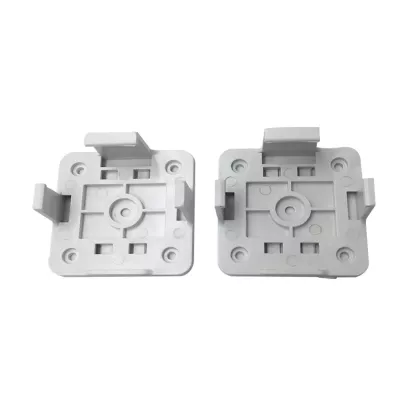
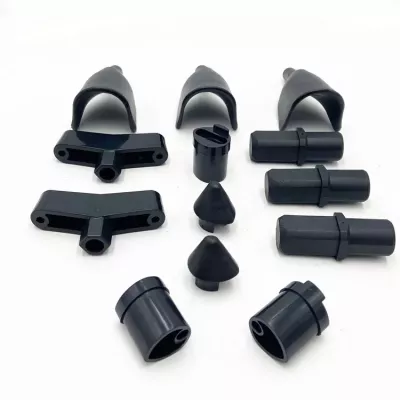
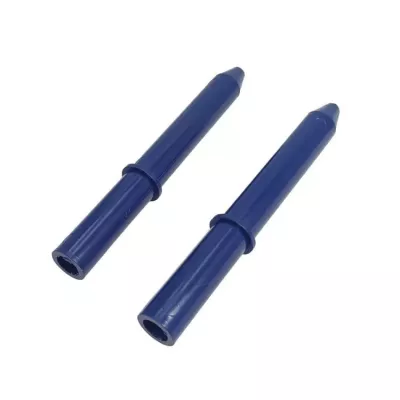
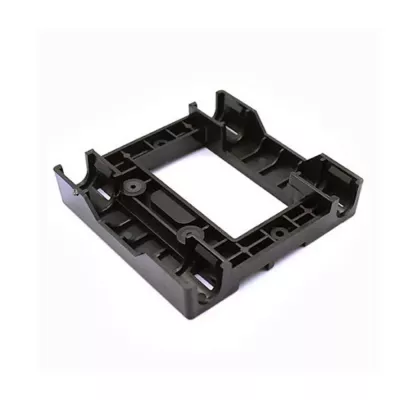
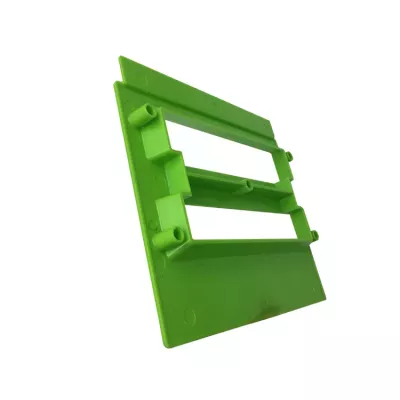
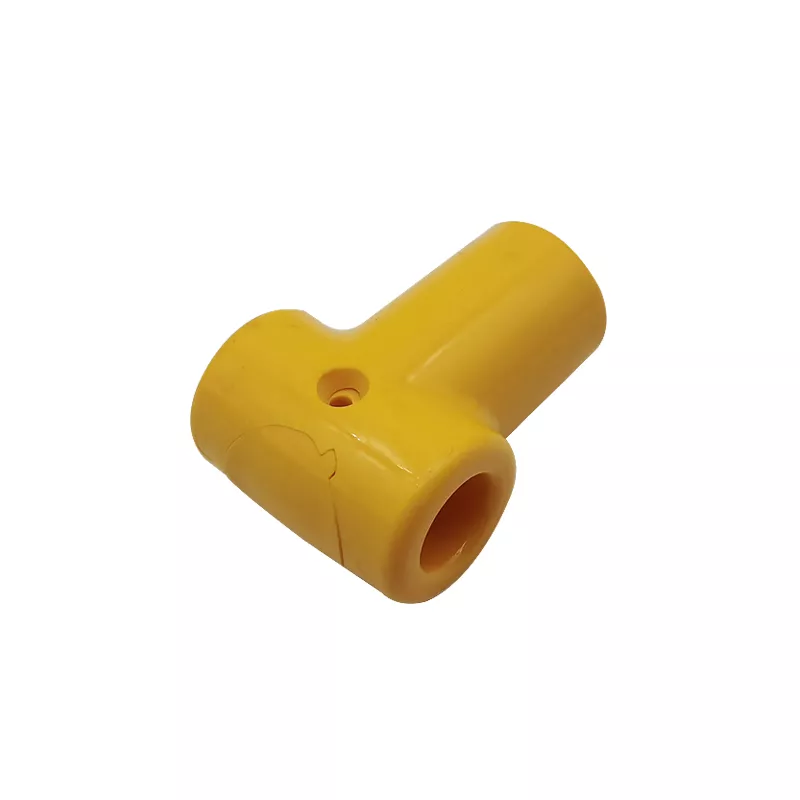
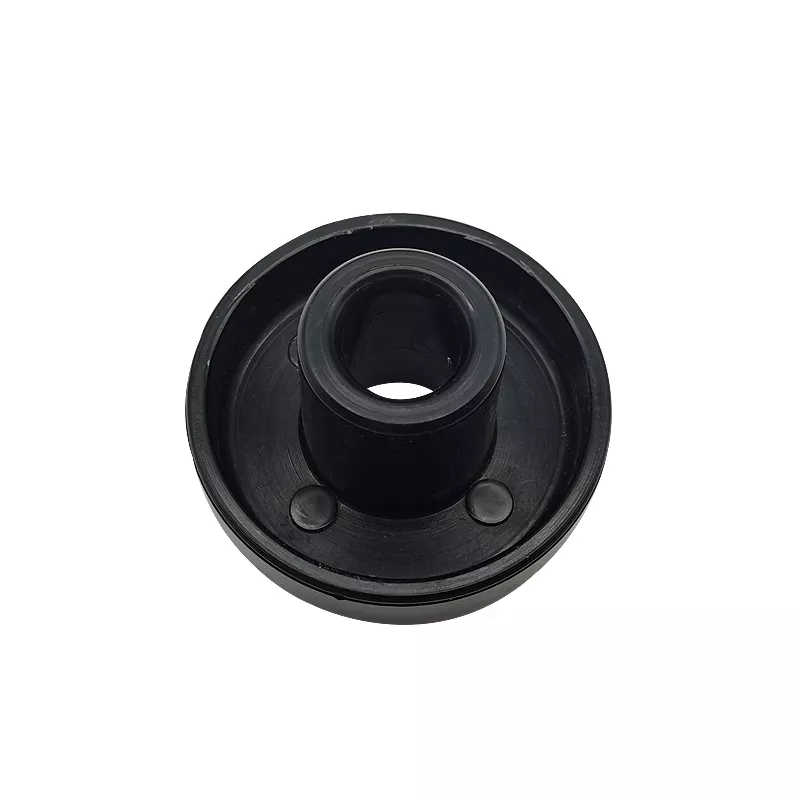
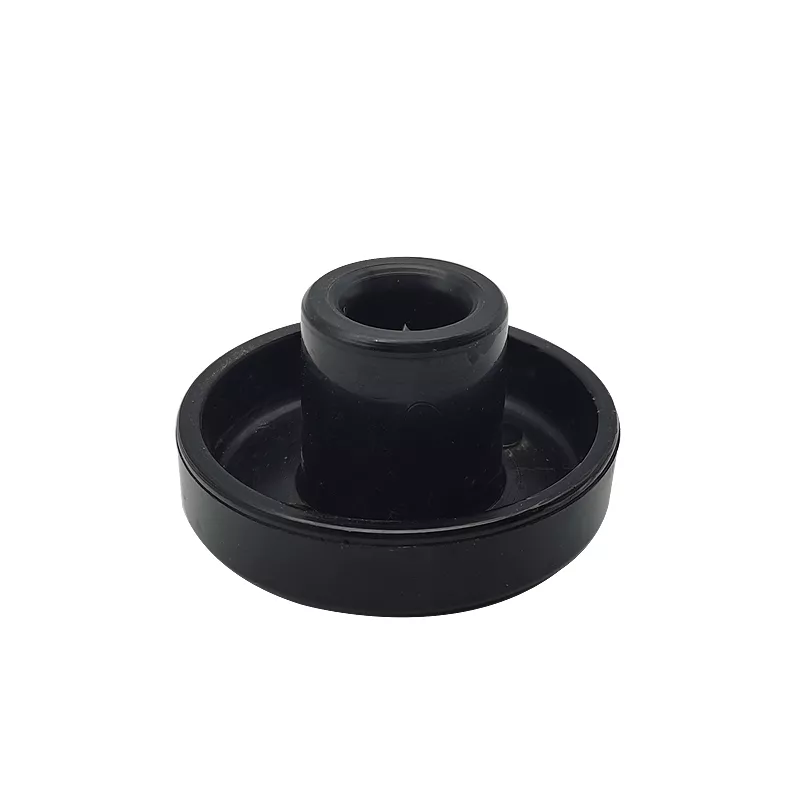
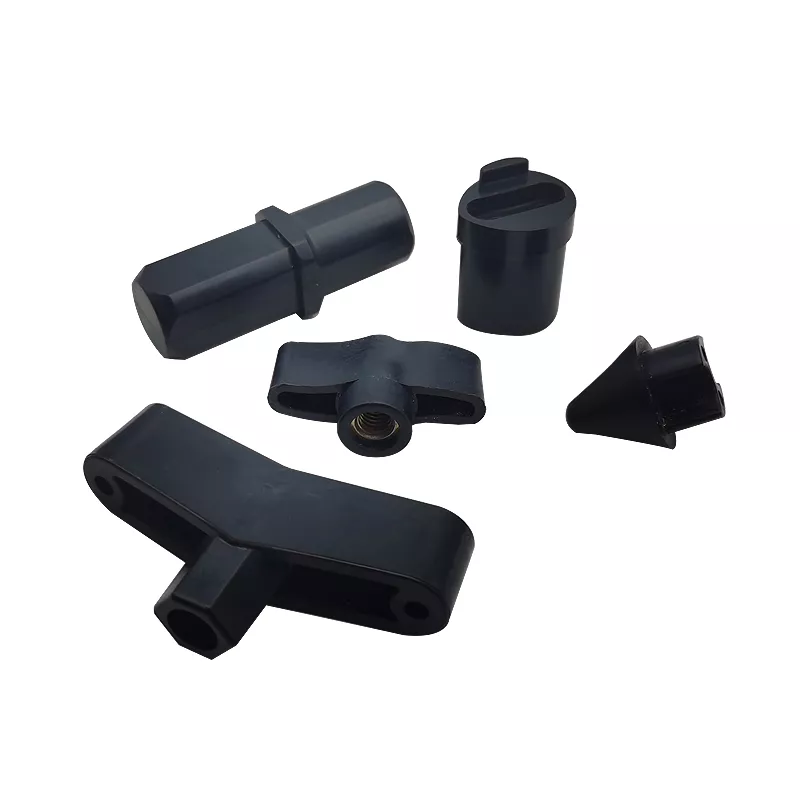
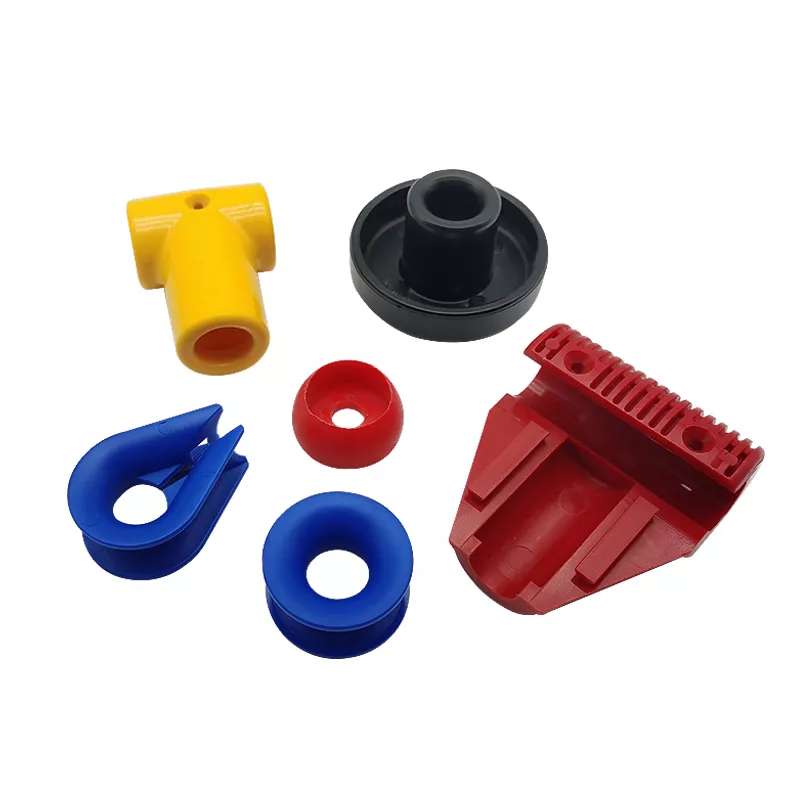
Define the actual transparent LED cover or tooling requirement separately from the assortment image. The examples show opaque colored rings, hollow forms and ribbed components rather than a demonstrated transparent bulb cover or actual mold. They do not establish optical transmission, a finished LED assembly or the requested manufacturing route.
Identify the cover and any separate tooling scope
Provide the cover drawing, mating-light geometry and required supplied pieces. Define openings, perimeter contacts and any retention features from functional datums. If a mold is requested, agree its deliverables, ownership and acceptance independently from production covers; the component assortment cannot establish those tooling arrangements.
Select resin, transparency and forming method
State the actual material formulation and transparency or appearance requirements for the chosen cover. Injection molding and vacuum molding are different process directions and need an agreed plan for the design. A general polymer menu does not prove that every listed grade satisfies the same optical or forming requirements.
Accept the cover for the defined lighting application
Mark dimensional tolerances with units and final measurement conditions. Define optical, thermal, electrical or environmental acceptance where relevant, using actual operating conditions and applicable evidence. A cover name does not establish completed-light approval or verified optical performance.
- Identify the actual LED cover and mating drawing.
- Specify resin grade and transparency requirements.
- Choose the forming route for that component.
- Define any separately requested mold deliverables.
- Agree dimensional, optical and application evidence.
Include quantities, controlled geometry and required material or inspection records. Keep cover production and any tooling supply separately identified on the quotation schedule.