Custom CNC Machined Steel Forging Parts | Narrow-Bridge Mining Chain Joint Links
-
Model Number1109MaterialSteel
-
ApplicationIndustryDimensionsCustomer Required
-
Surface treatmentPaint/Powder Coating/Oxidation etcMold makingBy Ourselves
-
ProcessDie Casting-deburring- MachineryServiceOEM ODM
-
Quality ControlProfessional InspectionPackingIndividually Packed or as per your requirements
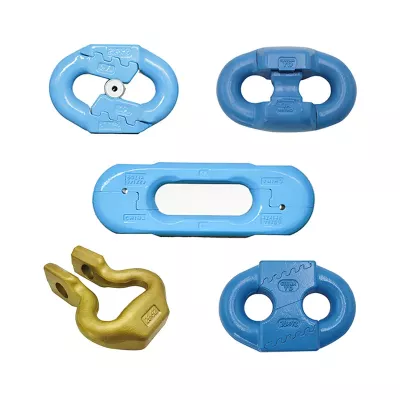
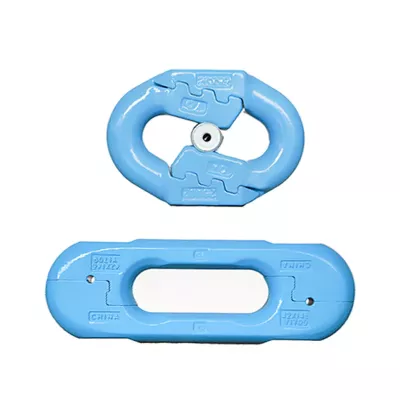
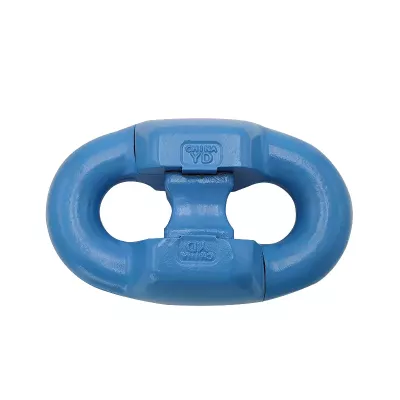
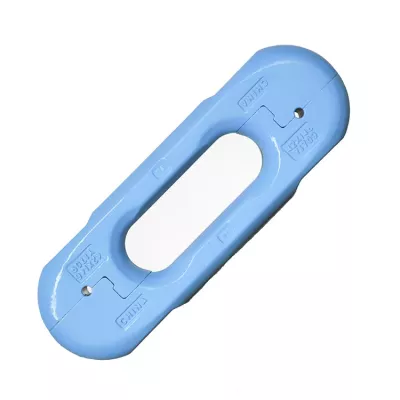
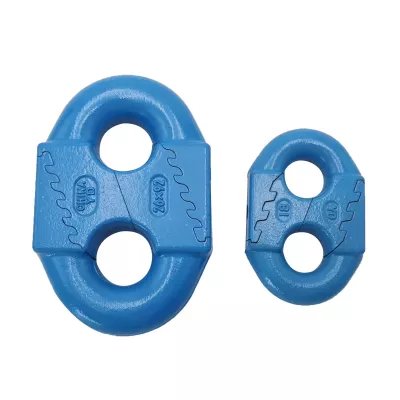
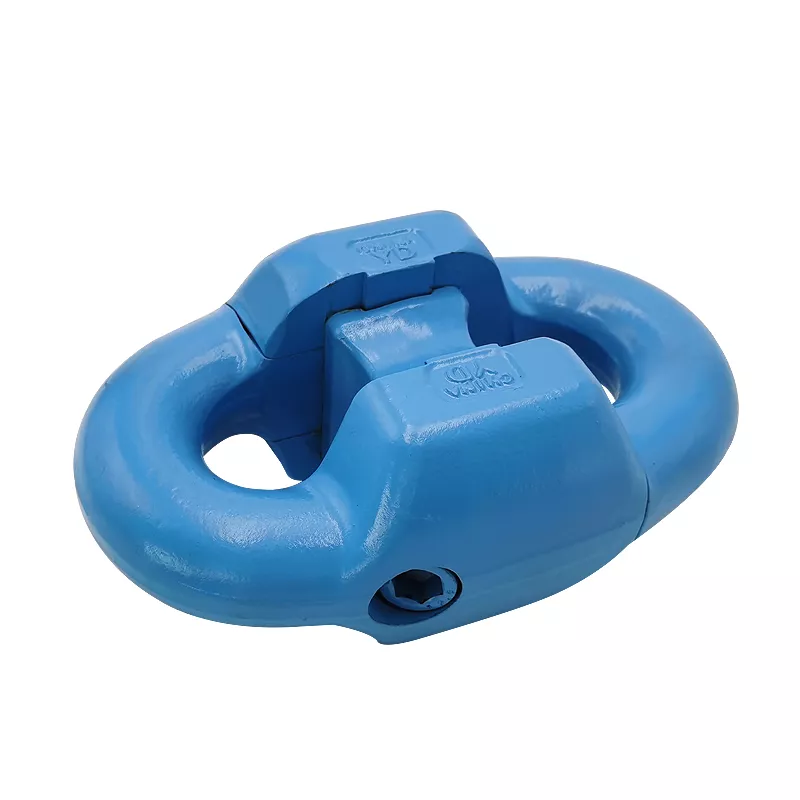
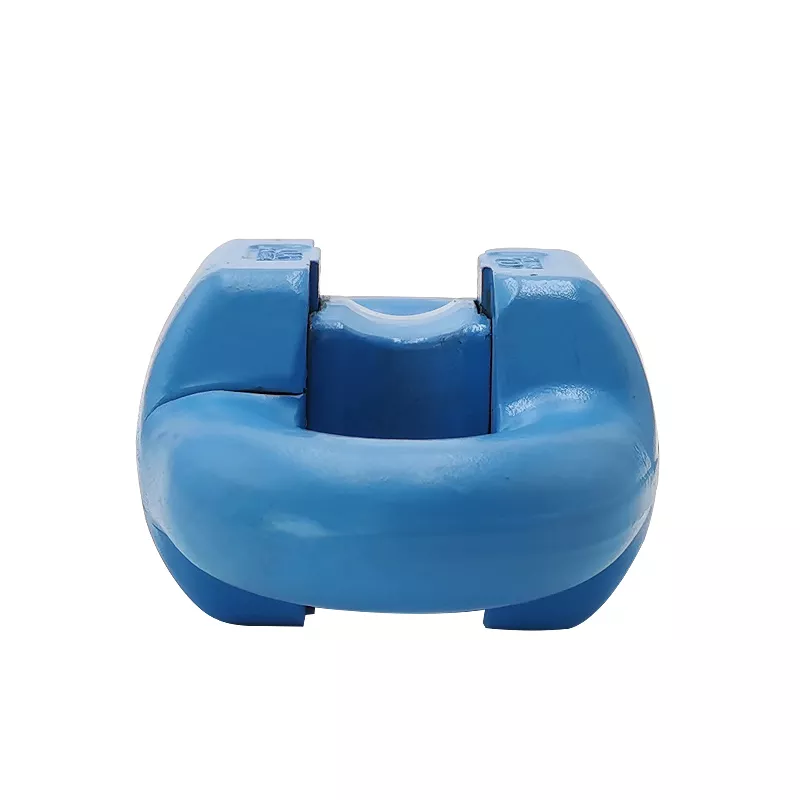
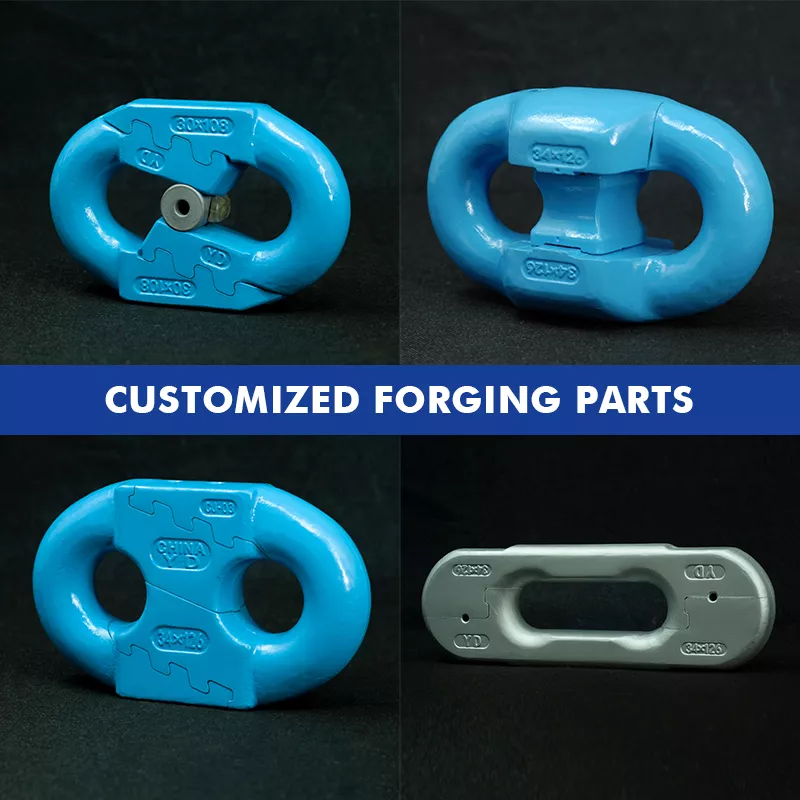
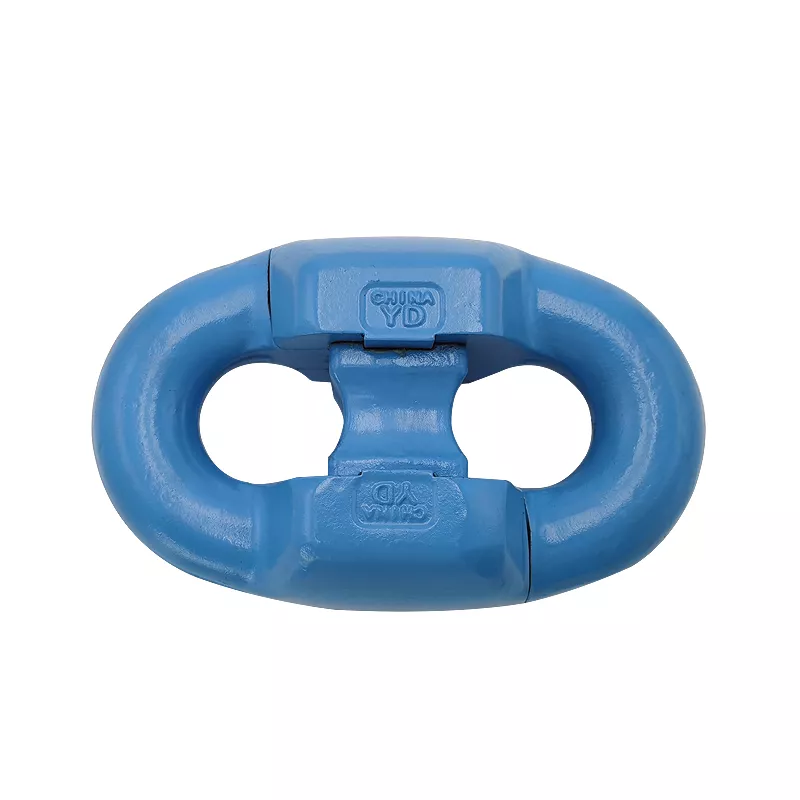
Start with the narrow bridge between the two openings when defining this oval mining-chain connector. The blue example shows opposed joint regions with interlocking-looking profiles. The image establishes the visible arrangement, but not the actual locking method, steel grade, dimensions or allowable loading of a delivered component.
Control the bridge and contact sections
Show the connector section and the mating-chain geometry on controlled drawings. Dimension the openings, curved contact surfaces and bridge from assembly datums. Identify how the joint is assembled and retained, and list any separate pins, inserts or locking pieces required in the supplied scope.
- Identify the narrow-bridge link and drawing revision.
- Select the steel grade and material condition.
- Define chain contacts, bridge and joint details.
- Mark the forging and secondary CNC scope.
- Agree functional tests and traceability requirements.
Choose the manufacturing and treatment plan
Review the required steel forging route against the actual component definition. Mark any machined surfaces and specify deburring or edge requirements where they affect assembly. Select a compatible paint, powder coating or other finish, including masking and the final condition used for dimensional inspection.
Evaluate compatibility using actual evidence
A similar oval shape does not demonstrate compatibility with a particular chain or mining installation. Provide service loads, operating conditions and the required acceptance methods if strength or fatigue performance is relevant. Appearance alone cannot establish forging history or a load rating.
Include quantities and the required material and inspection records. Keep different chain sizes or joint designs separately identified so the proposed delivery can be assessed against the correct mating geometry and application requirements.