-
Grade6000 SeriesTemperT3-T8
-
ApplicationHeat Sink, Industrial EquipmentShapeT - Profile
-
Alloy Or NotIs AlloyModel Number2201
-
Tolerance±1%Processing ServiceBending, Decoiling, Punching, Cutting
-
Delivery Time22-30 daysProduct material6063 Aluminum
-
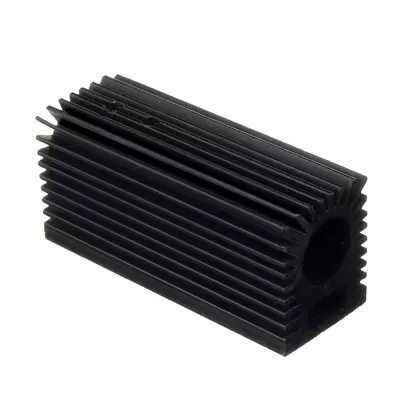
ColorBlack MetalSizeCustomized
-
Surface treatmentAnodized/oxide etc /powder coatedToolingMade by ourself
-
PackingCartonProcessSand casting +CNC Machining
-
CertificationISO9001-2008MachiningAvailable
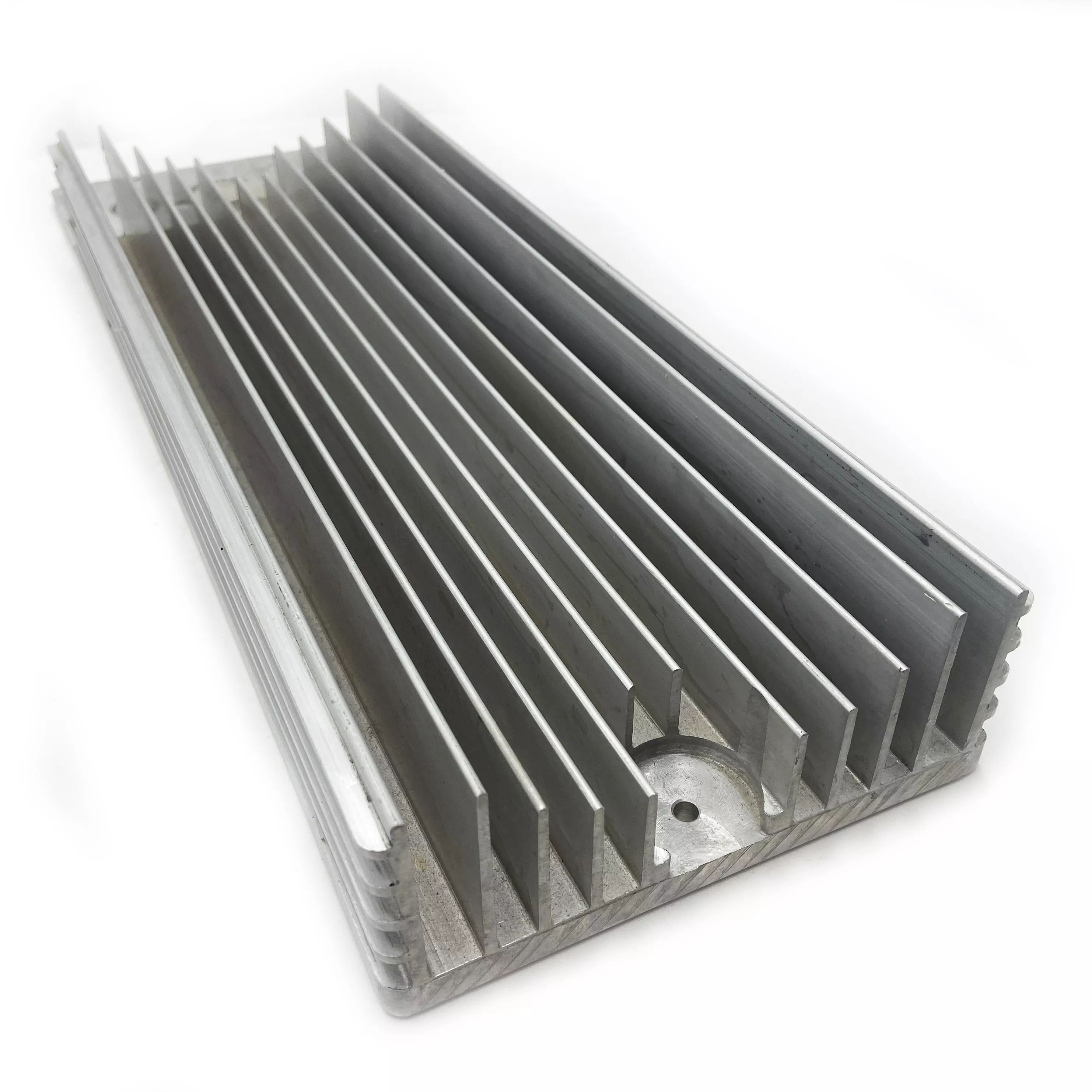
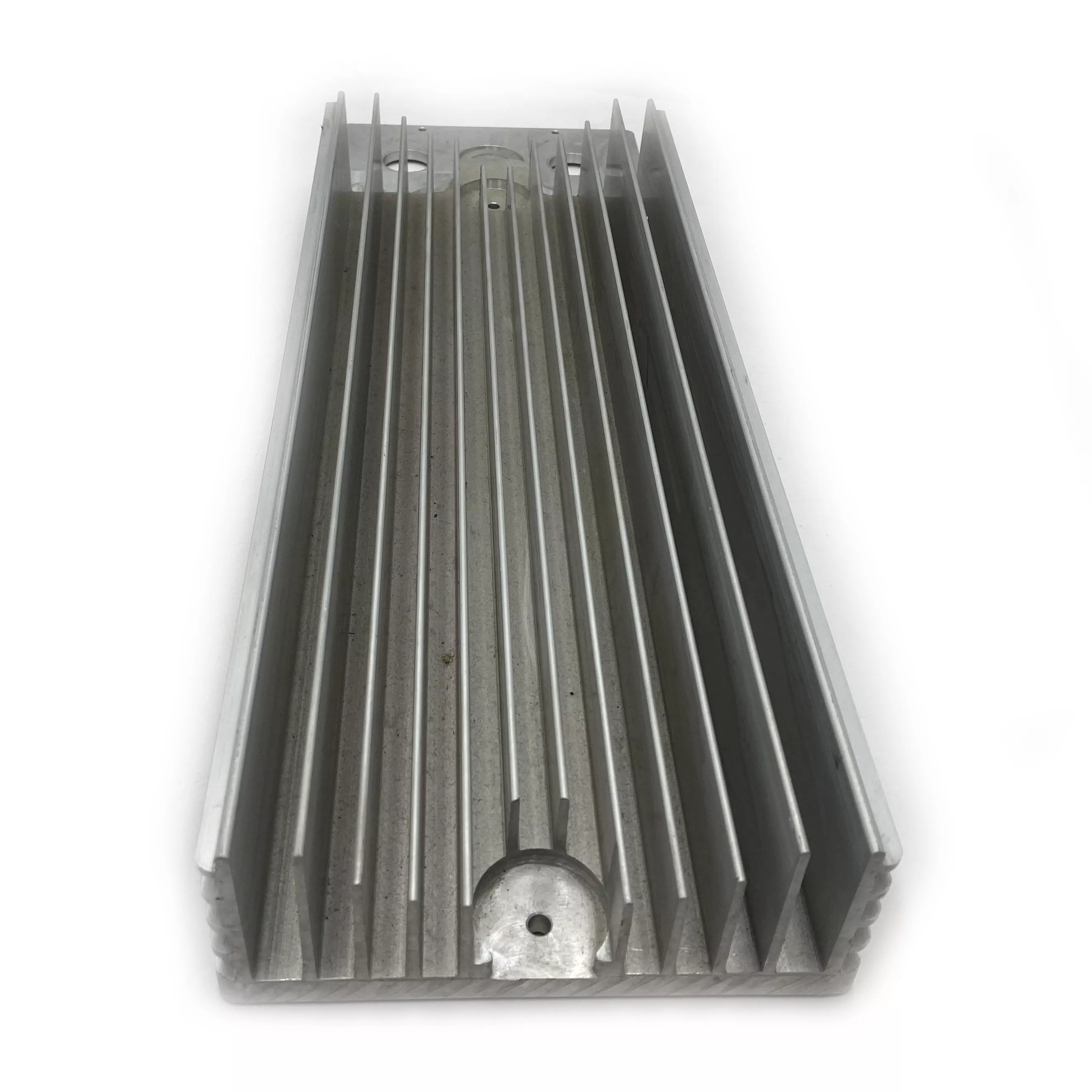
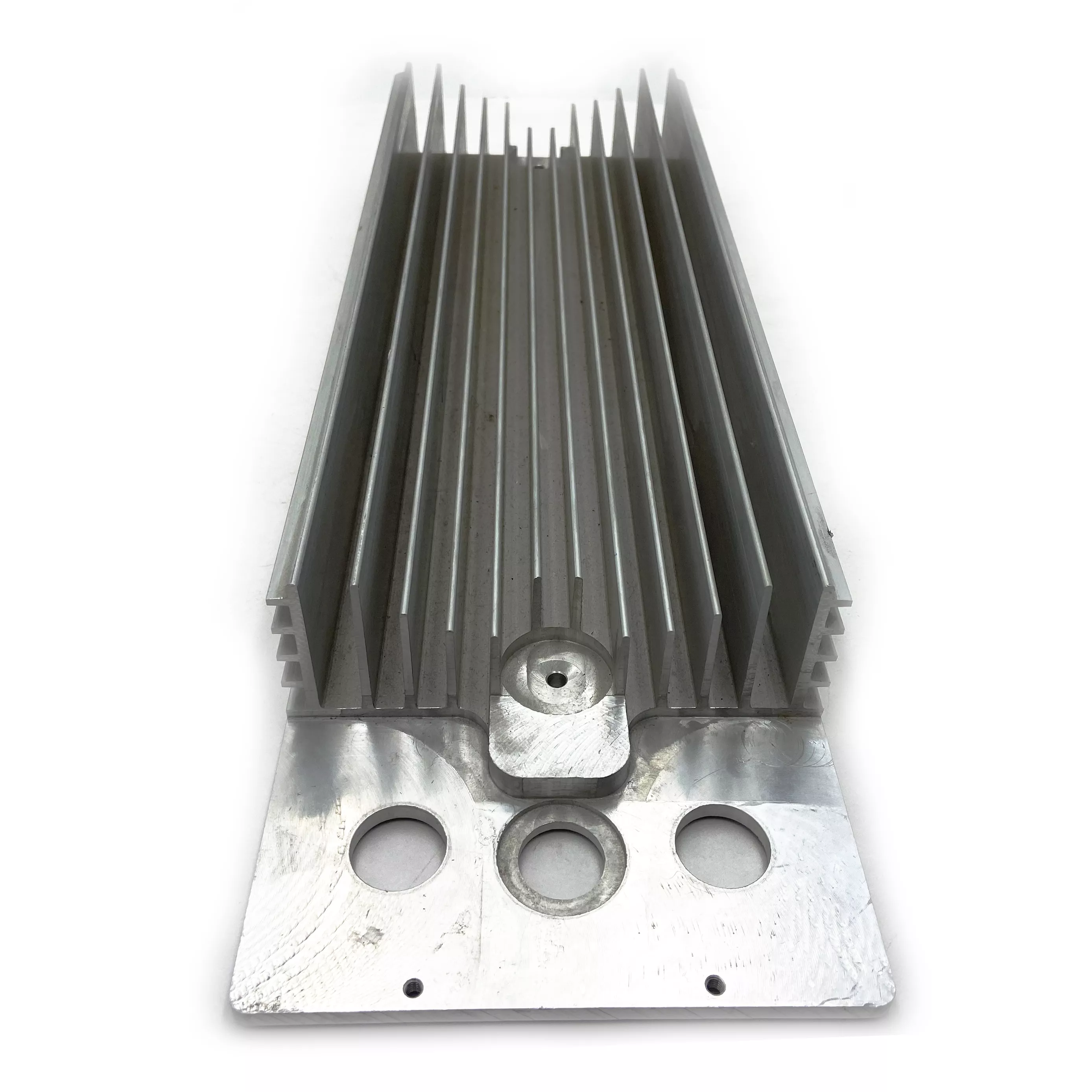
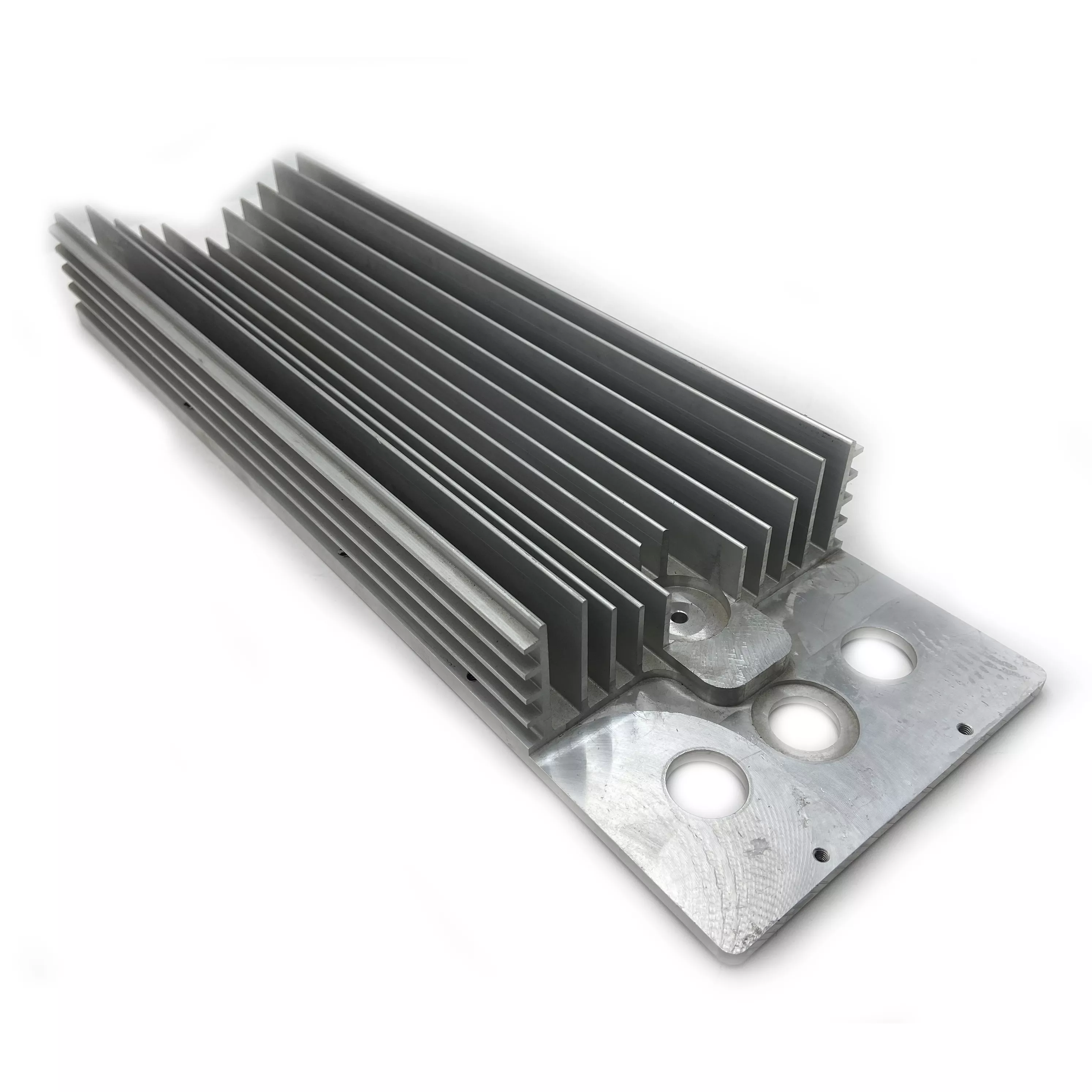
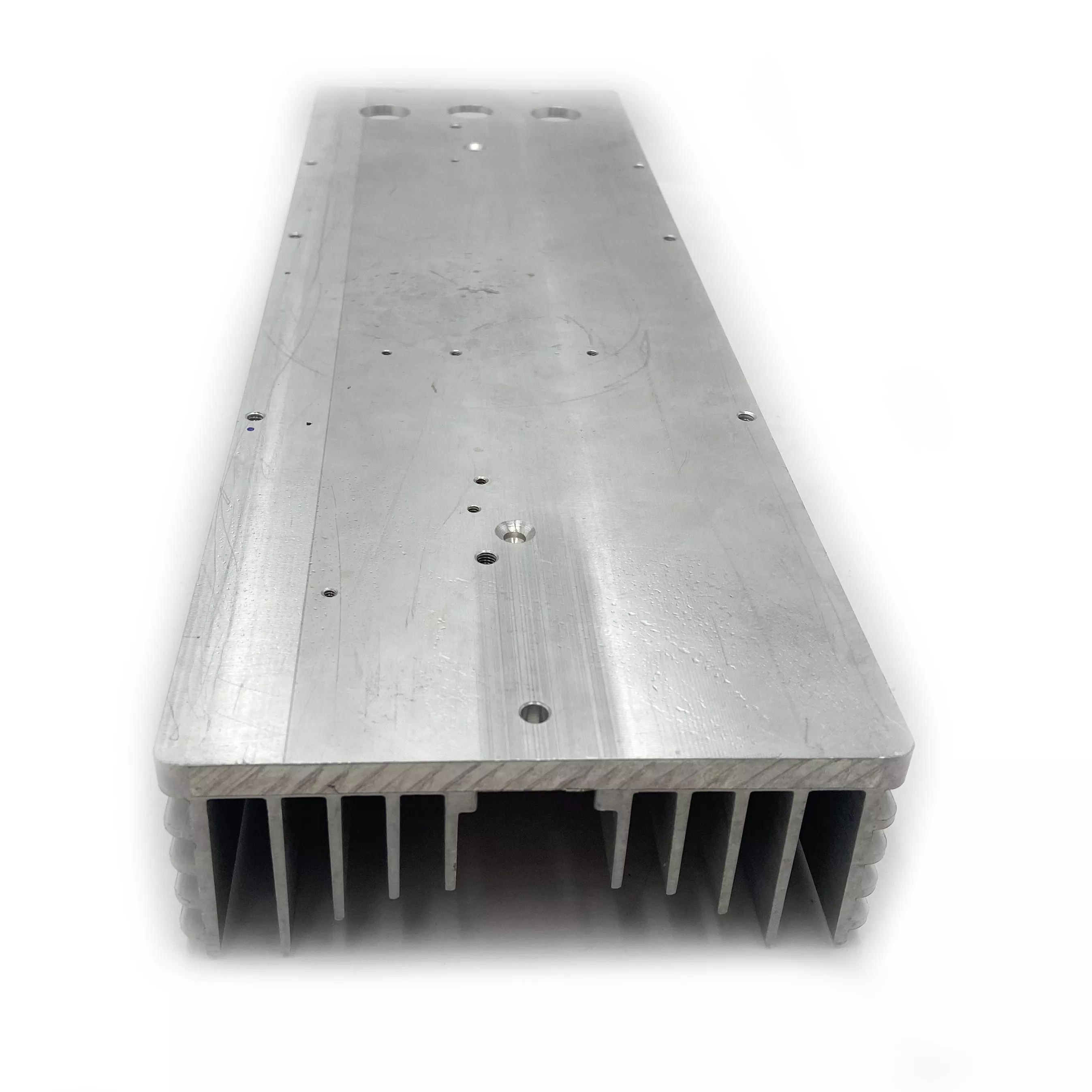
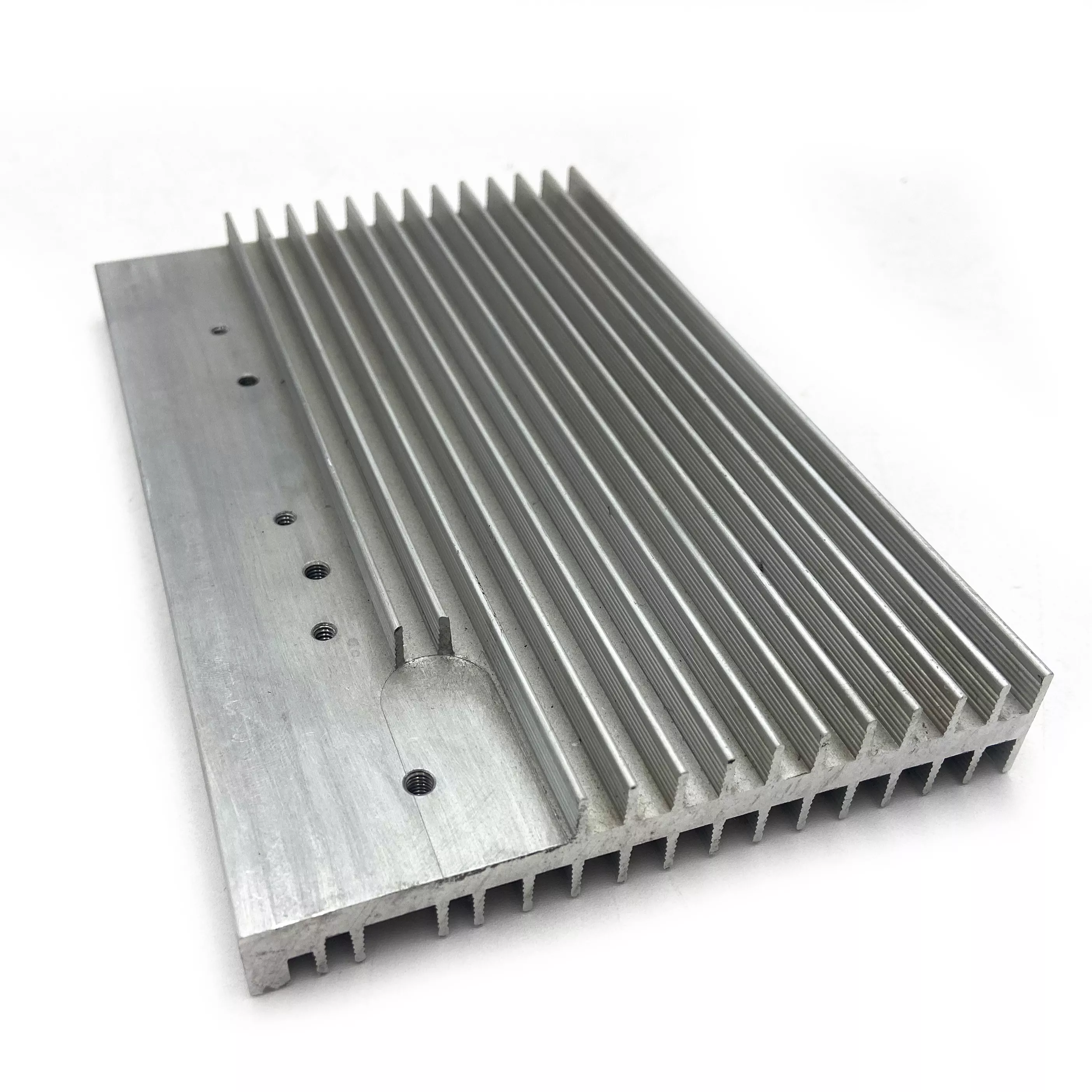
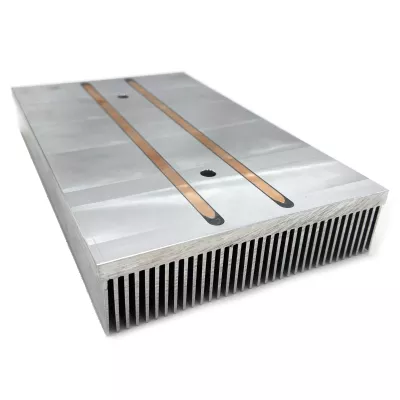
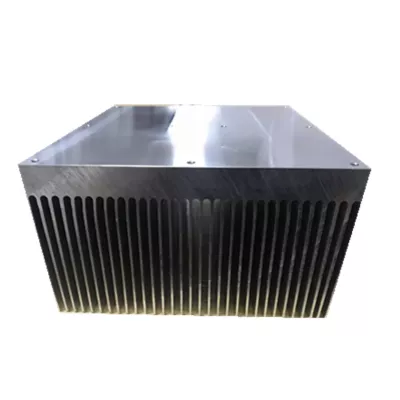
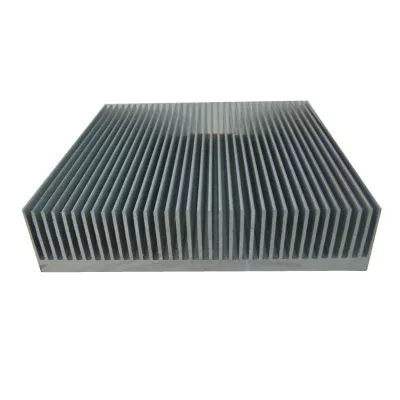
Define what large means for the actual LED assembly before selecting an aluminum heat-sink profile. The example is a broad elongated section with parallel tall fins, shaped side edges and a fixing opening in the base near an end. Its overall dimensions and required supplied condition must come from the component drawing.
Set the installation envelope
Provide the section, cut length and the space available around the fins. Locate the base contact surface and fixing features from the assembly datums. Include adjacent parts where they limit clearance, access or the mounting arrangement. A large-size title is not a measured envelope or a universal LED interface.
Dimension the fin height, spacing and any side-edge details that affect assembly. Identify holes, contact faces or other features needing secondary machining. The example helps identify the profile direction, but it does not establish the actual alloy condition or a particular manufacturing setup.
Confirm the requested material and finished state
The general T3-T8 range and ±1% reference do not define every component feature. Assign the required limits and measurement methods to the dimensions that matter for the design. Agree the extrusion and secondary-operation scope rather than automatically adopting a historical sand-casting and CNC sequence.
Relate the large profile to the heat source
- Specify the actual alloy and temper, including 6063-T5 if required.
- Provide the controlled section and cut-length drawing.
- Locate the contact and mounting references.
- Define finish, masking and secondary machining.
- Set inspection criteria for the final supplied condition.
State heat load, ambient conditions, airflow and the way the component contacts the heat source. The apparent size and fin arrangement do not establish a measured cooling capacity. Where project-specific evidence is required, identify the installation conditions and acceptance criteria. Confirm current quantities and delivery arrangements for the selected drawing. A comparable enquiry describes the same material condition, machining and finish scope, together with the records needed to accept the supplied component.