Custom High-Density Extruded Aluminum Heatsink | Fin Radiator Component Enquiries
-
Grade6000 SeriesTemperT3-T8
-
ApplicationHeat SinkShapeAngle
-
Alloy Or NotIs AlloyModel Number2303
-
Tolerance0.02mm, ±0.02Processing ServiceBending, Decoiling, Welding, Punching, Cutting, Machining
-
Delivery Time15 daysProduct nameHigh Density Extruded Aluminum Heatsink
-
Material6063/ 6061 etcMachiningAvailable
-
Surface treatmentAnodized/oxide etc /powder coatedToolingMade by ourself
-
Surface ColorCustomized Panton Colors
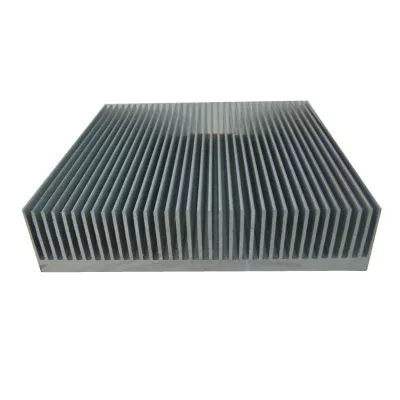
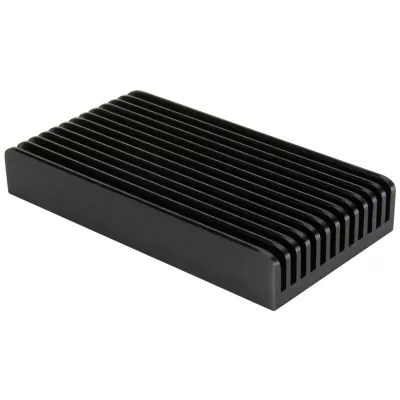
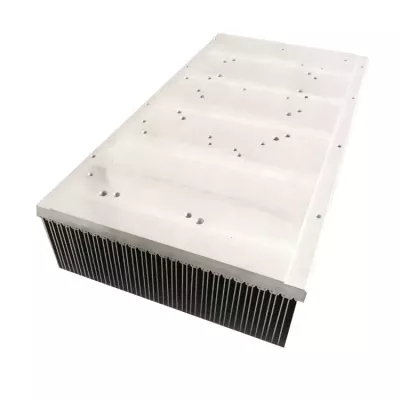
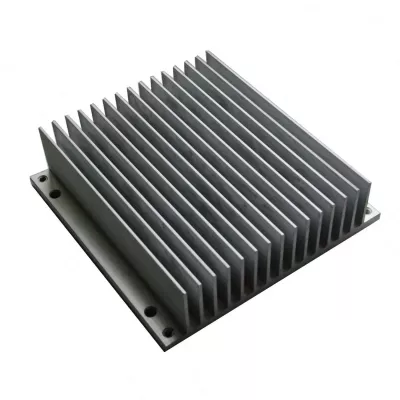
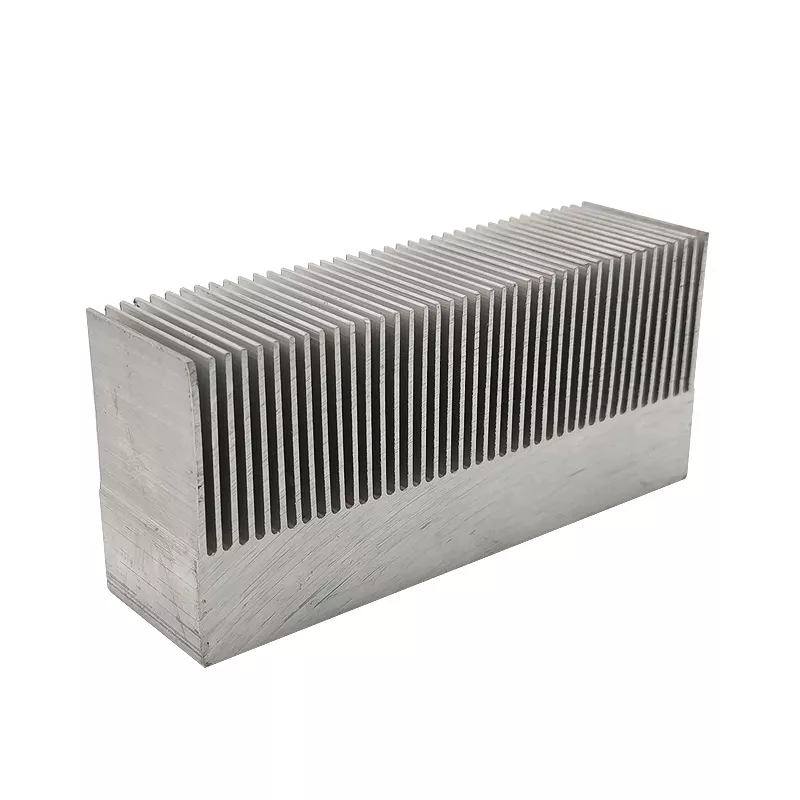
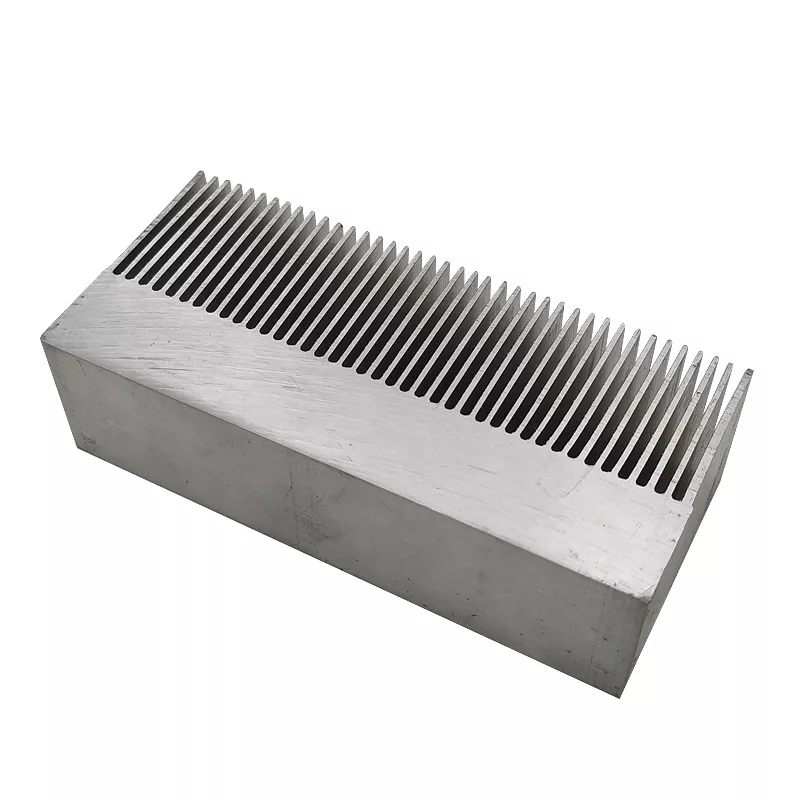
A high-density extruded aluminum heat-sink enquiry should describe the actual fin field and base. The example has a rectangular block-like base with many thin parallel upright fins along one side of a broad upper face. The drawing, rather than a density label, establishes the geometry required by the order.
Dimension the base and fin arrangement
Provide the base dimensions, cut length and the contact surface through which heat enters the component. Locate the fin height, spacing and any mounting features from the assembly references. Include adjoining parts where they control clearance or the available installation envelope.
- Select the actual aluminum alloy and temper.
- Provide the base and fin-field drawing with its revision.
- Locate contact surfaces and fixing interfaces.
- Dimension the base contact face after secondary machining.
- Specify finish, masking and required inspection records.
Agree the extrusion and secondary work
Choose the actual 6061 or 6063 condition and identify the operations needed for that profile. The service menu does not require every listed bending, welding, cutting or machining operation to be performed on every part. Define the supplied condition and the faces to be accepted after treatment or finishing.
The 0.02mm and ±0.02 references need affected dimensions, units and measurement methods before they can form part of an acceptance plan. They do not establish the same precision for all fin features, cut lengths and CNC interfaces. A broad temper range also needs one selected condition for the actual order.
Link the radiator to its thermal duty
Specify heat load, ambient conditions, airflow and the way the component meets the heat source. High-density wording and a closely spaced fin field are not measured cooling results. Identify any required evidence under the actual installation conditions. Confirm current quantities and the complete delivered scope for the chosen drawing. A clear enquiry links the fin and base geometry to one material, finishing and inspection plan, making proposals comparable without assuming a thermal rating from the product name.